







-2__small.jpg)





























-3__small.jpg)


__small.jpg)


__small.jpg)


_with_flag,_jason__emily_rowley-4__small.jpg)


-2__small.jpg)


They get dressed, answer a few texts, stop for coffee, maybe make plans after work, and rarely wonder whether they'll have enough left to do the next thing.

For Adley, every day begins with a calculation.
Living with mitochondrial disease means her body simply doesn't produce energy the way it should. She describes it like charging your phone all night only to wake up with the battery at 60 percent. That's all you get. Every shower, every meal, every errand, every conversation pulls from the same limited reserve. Once it's gone, there's no plugging back in until tomorrow.

It's a reality she's lived with since birth, though she didn't know it at the time.
As a child growing up in rural New Hampshire, she spent every chance she could outdoors. She played soccer, ran track, danced, rollerbladed, rock climbed, biked, practiced yoga, and kayaked whenever she could. Nature was where she felt most like herself.
Then, in her mid-twenties, everything began to change.
What started as unexplained symptoms turned into a five-year search for answers before doctors finally diagnosed mitochondrial myopathy, a rare genetic disease that affects roughly one in 5,000 people.
By then, her health had declined so dramatically that she was forced to leave the career she'd worked so hard to build only a few years after graduating college. By age 30, she was on medical disability.
For years, the disease stole more than her strength.
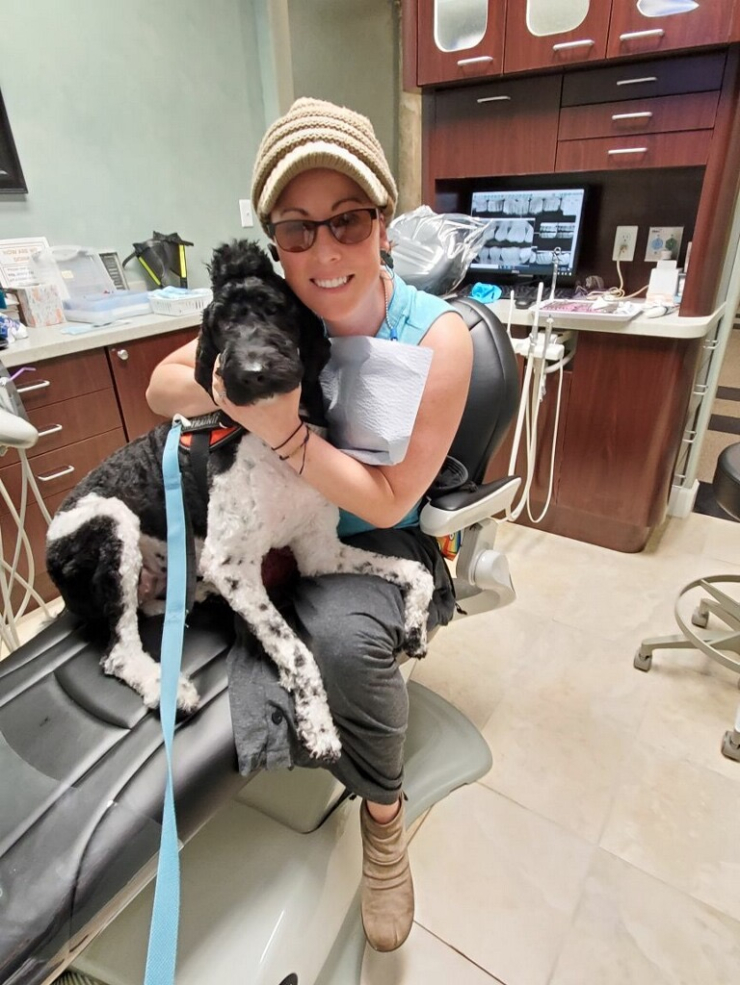
Eventually she became medically homebound, leaving the house only for appointments she couldn't avoid. Simple tasks like showering, preparing meals, or doing laundry became exhausting. Friends drifted away. Community disappeared. The spontaneity that once defined her life vanished because every outing had to be carefully planned around meals, medications, and whatever energy she had left.
A therapist once suggested something that sounded unusual at first: hold a funeral for the person she used to be.
"I just wanted to get back to who I was," Adley said.

Instead, she slowly learned to grieve that version of herself while discovering who she could still become.
Then, in late 2023, something remarkable happened.
After years of believing her disease would only continue to worsen, Adley began the first clinical trial medication ever developed for her condition. Doctors warned patients not to expect improvements for six weeks.
She felt different within an hour.
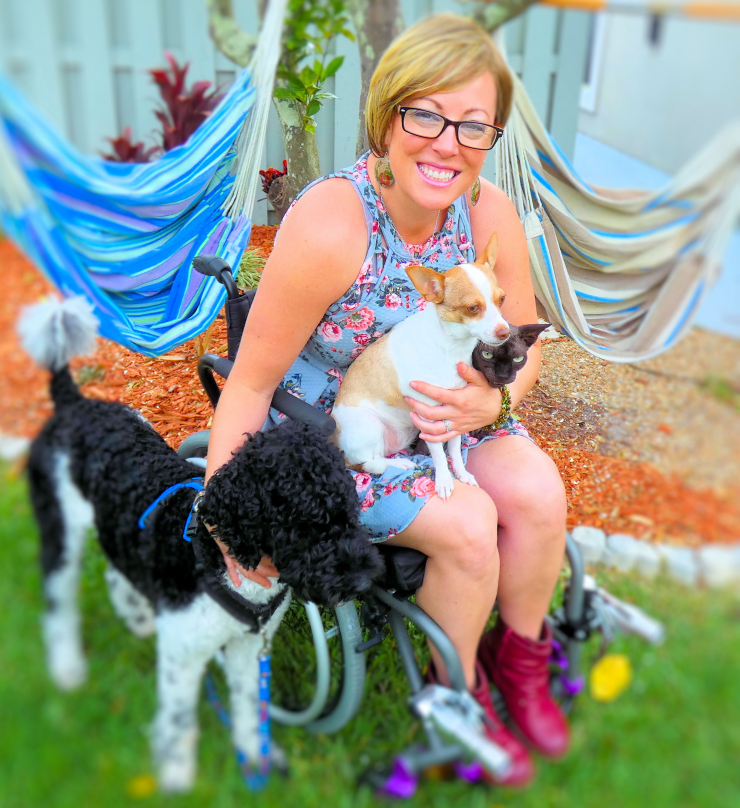
Day after day, small improvements accumulated. They didn't erase her disability, but they gave her something she'd almost stopped believing in.
Hope.
The medication gave Adley enough strength to leave an unhealthy relationship, move into her own apartment, and eventually buy a small home outside Cincinnati, where the cooler climate is easier on her body. She found meaningful part-time work with her family's business, met a partner she's now planning a future with, and began rebuilding a community one conversation at a time.
She jokes that there are no strangers anymore.
"If you're a human near me," she laughed, "I'm talking to you."

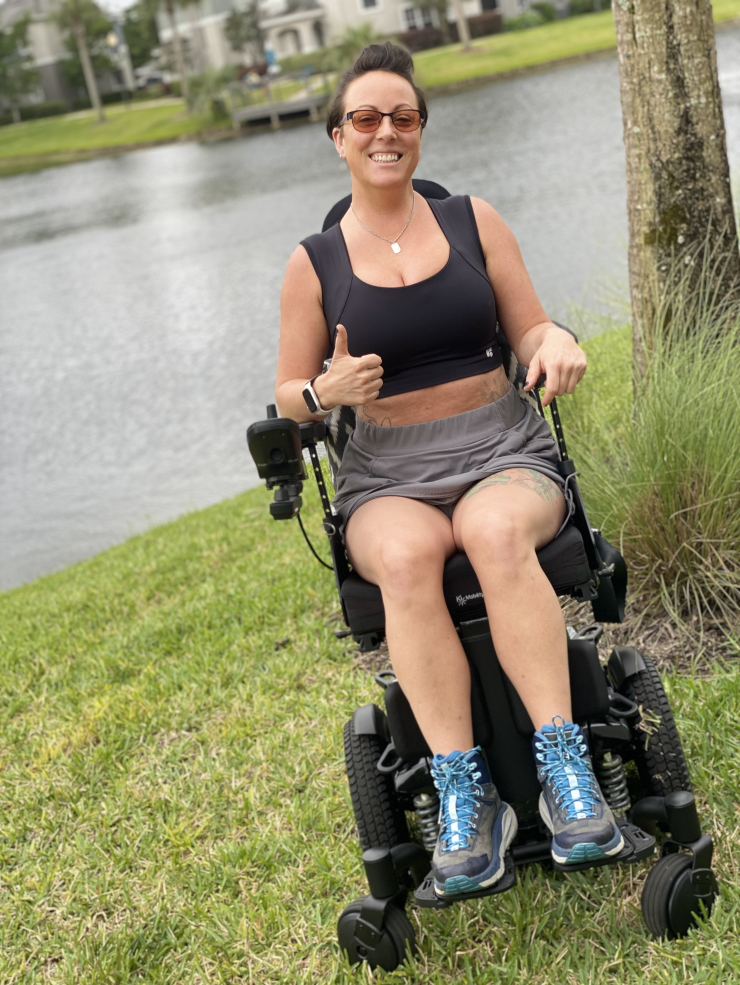
She still carefully structures every day around 30-minute bursts of activity, followed by rest. Some days she walks independently. Other days she needs a walker or wheelchair during painful flare-ups that people can't always see. Invisible illness doesn't follow a predictable schedule, and neither does her body.
Even now, every bit of energy matters.
Which is why receiving an adaptive, lightweight folding kayak from Chive Charities means so much more than getting back on the water. The total impact was $3,347.

Kayaking was one of the activities she mourned most after becoming sick. Traditional kayaks require strength and endurance her muscles no longer have, but an adaptive kayak equipped with a small motor changes everything. It allows her to paddle when she can, receive assistance when she can't, and once again spend time in the places that have always brought her peace.
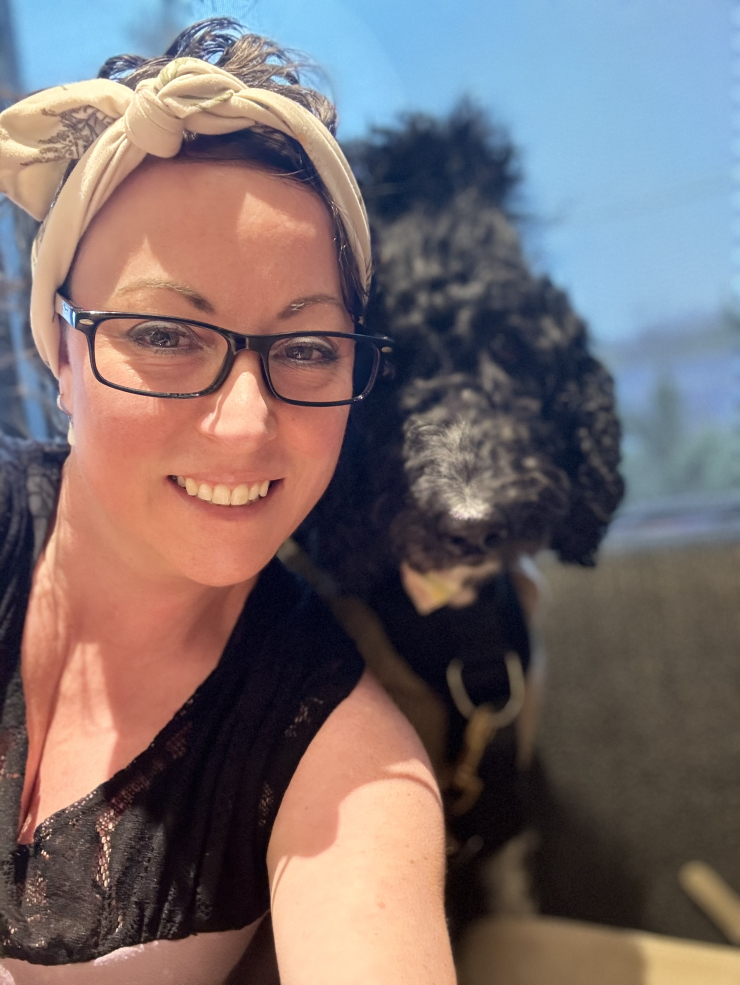
She's already found a local women's kayaking group she hopes to join, and she and her partner recently planned a trip to Lake Michigan where she'll bring the kayak along. She even chose a model large enough for Bailey, her beloved service dog and constant companion through countless hospital visits, to ride beside her.
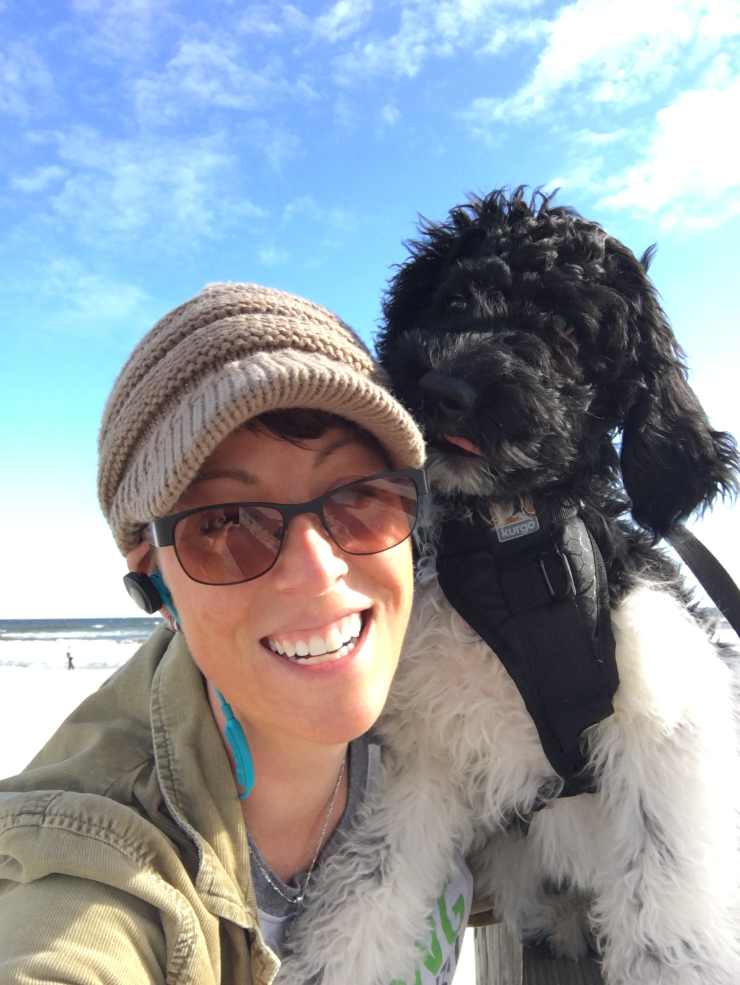
For someone whose world once shrank to the walls of her home, that's a beautiful kind of freedom.
Living with mitochondrial disease has taught Adley to measure life differently. Not by how much she can accomplish in a day, but by how intentionally she spends the energy she's been given.
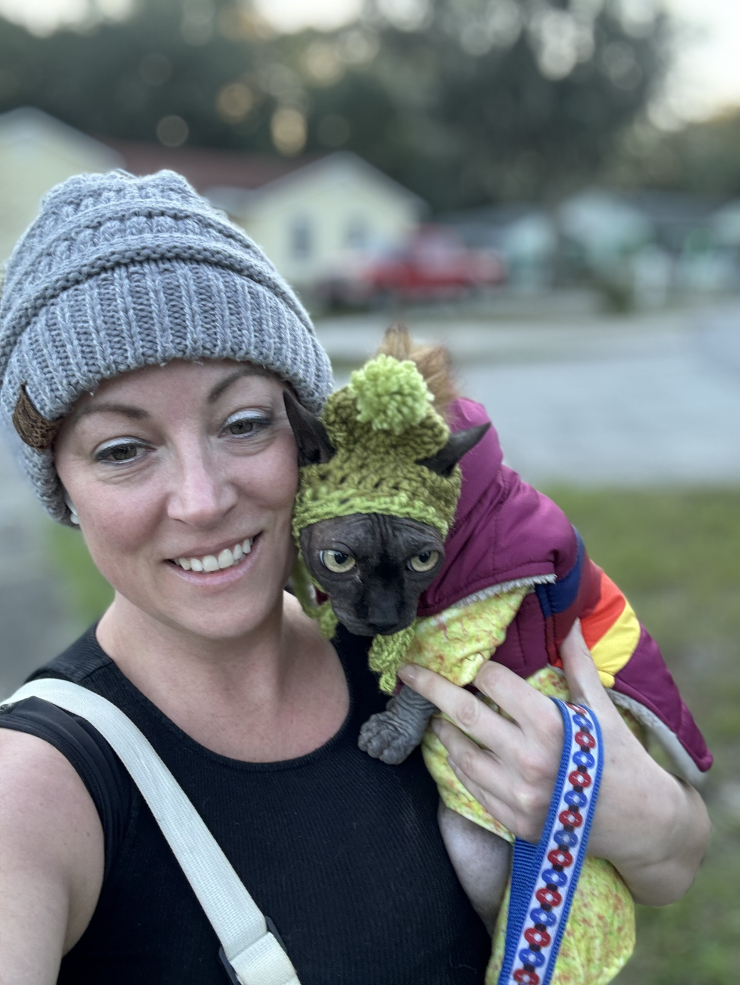
Thanks to generous Chive Charities donors, more of that precious energy can now be spent gliding across a quiet lake, making new friends, exploring new places, and rediscovering pieces of herself she thought she'd lost forever.
Because sometimes the greatest gift isn't more time. It's the chance to spend the energy you have on the life you've been waiting to live. Thanks for making this possible for Adley, and become part of our donor family today to help the next person like her. We can’t do this without you! DONATE HERE.