
-2__small.jpg)




















-3__small.jpg)


__small.jpg)


__small.jpg)


_with_flag,_jason__emily_rowley-4__small.jpg)


-2__small.jpg)


There are people we pass every day—on our street, in the grocery store, at school pickup—whose lives we only see in passing.
A wave, a smile, a quick hello. It’s easy to assume we understand someone’s life from those small moments.
But often, we don’t.
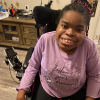
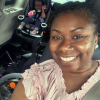
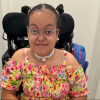
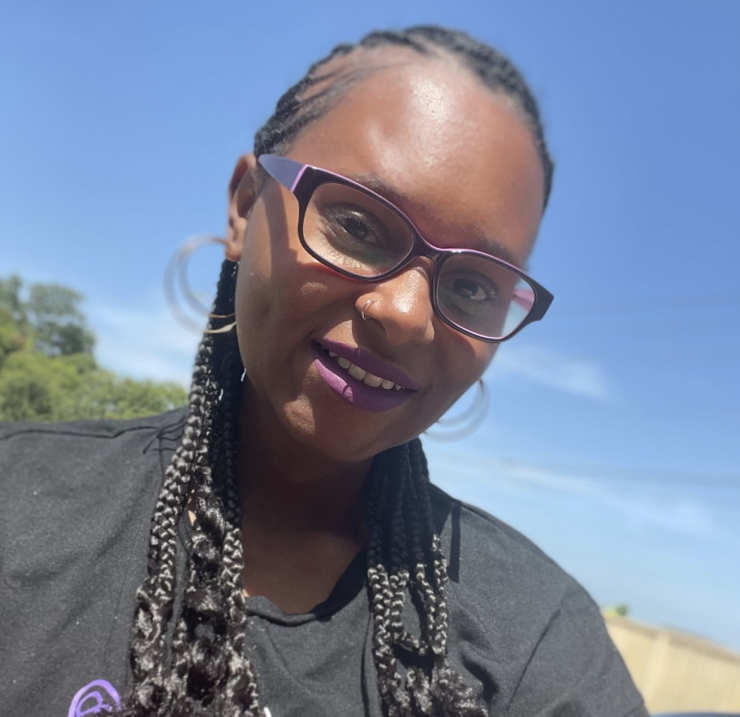
Jhaney is one of those neighbors.
She’s a mom of two, raising a son and daughter who are just three years apart, both summer babies, both full of energy. Her days look a lot like any parent’s—keeping up with her kids, managing a household, and finding small pockets of time for herself. She loves music. She sings when she can. She makes candles and is working toward starting her own business.
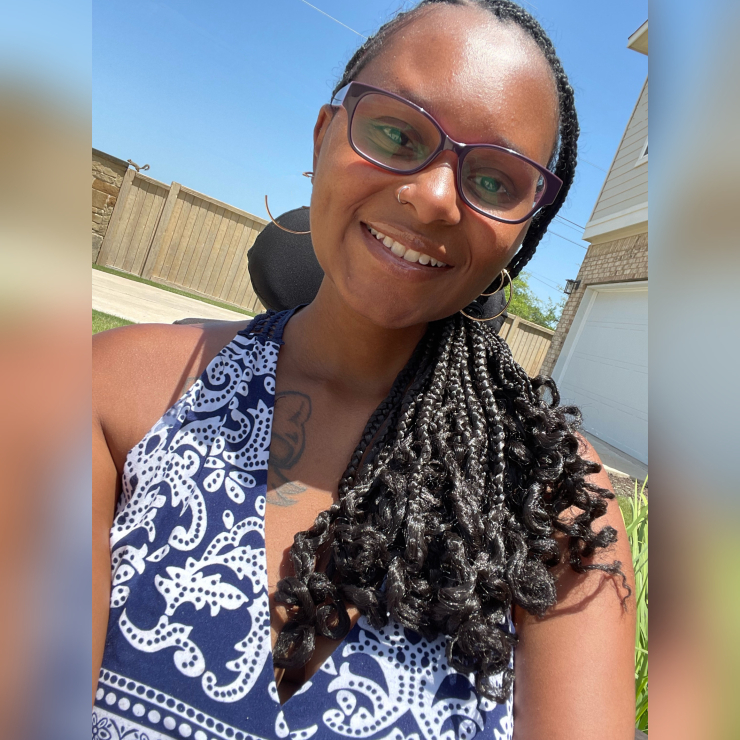
And she does all of it while living with limb-girdle muscular dystrophy, a rare condition that causes progressive muscle weakness over time.
Her experience with the disease started early. Around age seven, Jhaney began noticing that something felt off. She was falling more often, running more slowly, and didn’t have the same strength as other kids her age. Her family had already seen it before—her older sister has muscular dystrophy—so there was an understanding of what those signs could mean.
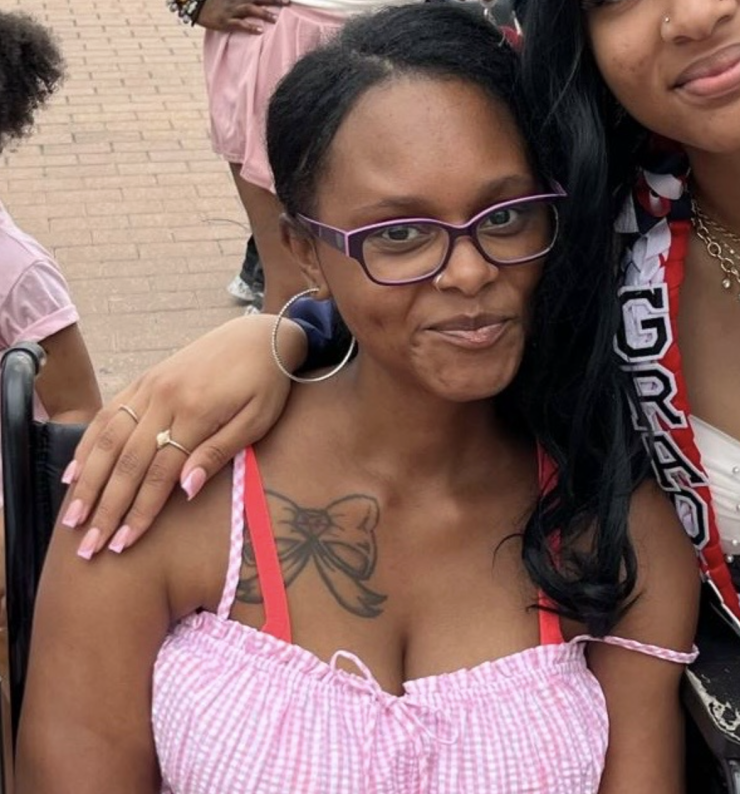
At 13, she received an official diagnosis.
From there, life didn’t stop. Jhaney kept going. She stayed involved in school, participated in activities, and even ran for homecoming court. She found ways to stay engaged and advocate for herself and others, even as things became more physically challenging.
“I just know that I have to keep going,” she said.
Over time, the condition progressed. By her mid-teens, walking became more difficult, and eventually she stopped walking altogether. That shift changed how she moved through the world, but it didn’t change how she showed up in it.
What it did change, though, was her independence.
Simple things like leaving the house, going out with her kids, and running errands became complicated. Every outing required coordination. Every movement depended on someone else being available to help. Over time, that starts to wear on you.
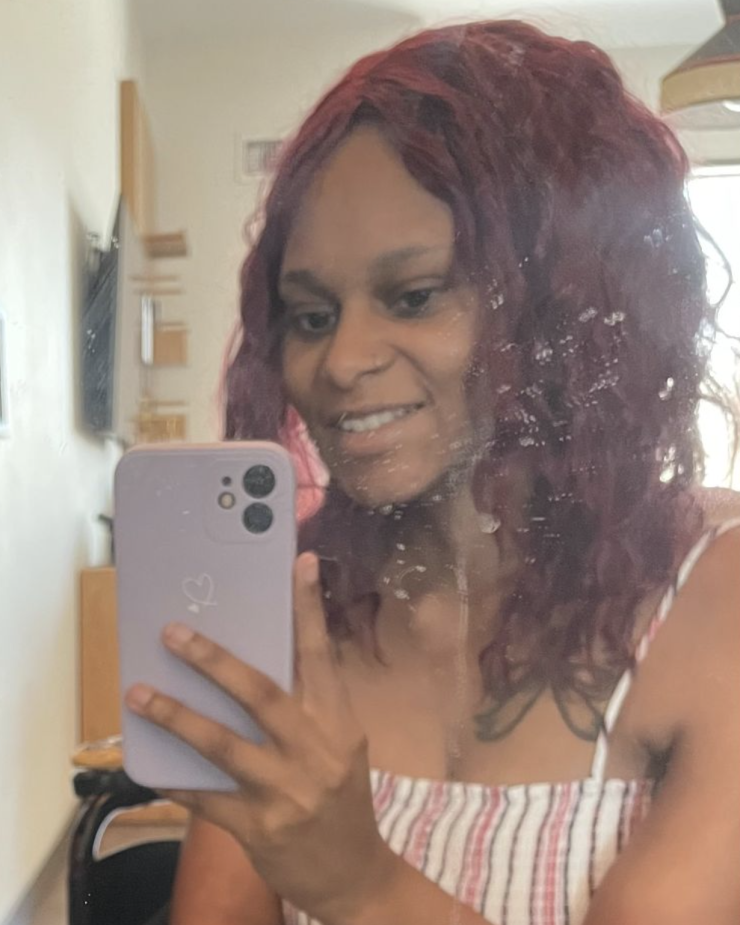
“I don’t like being stuck in the house,” she said.
But for a long time, that’s exactly where she was.
Chive Charities stepped in to help fill a gap that so many families run into. Jhaney needed a power wheelchair—something that would allow her to move independently and keep up with her daily life. It wasn’t something insurance covered, and like so many resources, the path to getting one came with barriers she couldn’t meet.
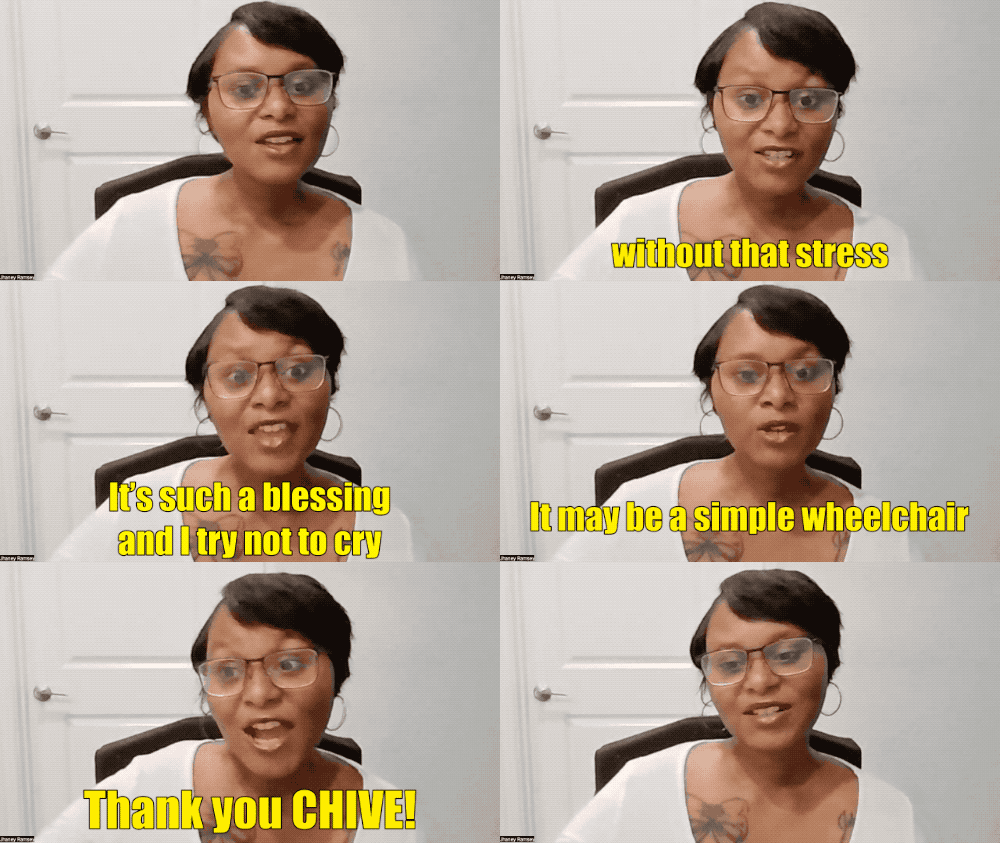
So our donor community stepped in and funded a $700 power wheelchair.
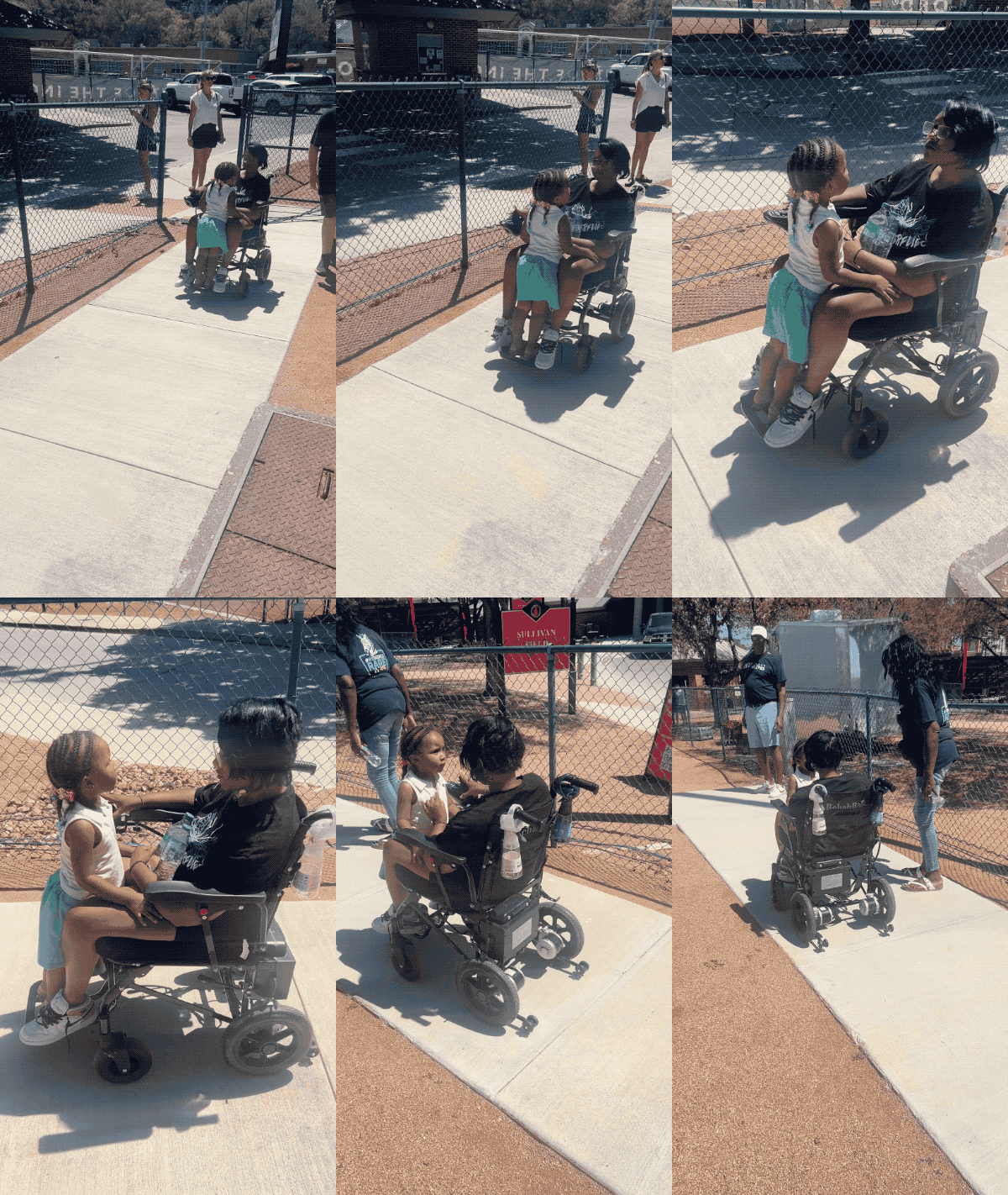
Now she can move through spaces on her own. She can keep up with her kids in a more natural way. She can go out without having to plan every step around who can help and how.
“Now I can just roll in,” she said. “It makes me feel more independent.”
That independence matters in ways that are hard to overstate. It takes pressure off her family. It gives her more control over her day. It allows her to participate instead of sitting on the sidelines.
Jhaney is also clear about something else: she doesn’t want to be pitied. She wants to be treated like anyone else.
Her life is full. It’s busy. It’s complicated. It’s real. And unless she told you, you might never know the full story from just passing by.
And really, that’s the point.
The people around us—our neighbors, coworkers, friends—are often carrying more than we can see. Sometimes the difference between being stuck and moving forward comes down to something small, practical, and out of reach.
At Chive Charities, that’s where donors like you make all the difference.
Jhaney’s wheelchair is a $700 solution that gave her back a level of independence she had been missing for years. It’s the kind of gap traditional systems don’t always fill, and the kind of need our community shows up for every day.
If you’ve ever wondered whether your support matters, it does.
Donate to Chive Charities and help us continue showing up for people like Jhaney, because you never know what someone just down the street is working through, or how close you might be to changing things for the better. Let’s make the world 10% happier together. DONATE HERE.
The Breakdown
Q: How can small donations make a real impact?
Small donations can fund practical needs—like mobility equipment—that dramatically improve daily life and independence.
Q: What is limb-girdle muscular dystrophy?
It’s a rare genetic condition that causes progressive muscle weakness, often affecting mobility over time.
Q: How do nonprofits like Chive Charities help?
They identify unmet needs—like medical equipment not covered by insurance—and fund them directly through donor support.