







-3__small.jpg)


__small.jpg)


__small.jpg)


_with_flag,_jason__emily_rowley-4__small.jpg)


-2__small.jpg)



There were contractions she couldn’t feel. There were warnings she didn’t fully understand yet. There was only urgency.

When her son, Juan Jose (Juanjo), was delivered by C-section, she was told that if she didn’t see him right away, it meant he needed immediate intervention.
But she did get one moment.
“One kiss,” she remembered. “He was really warm.”
Then he was gone, rushed to the NICU.
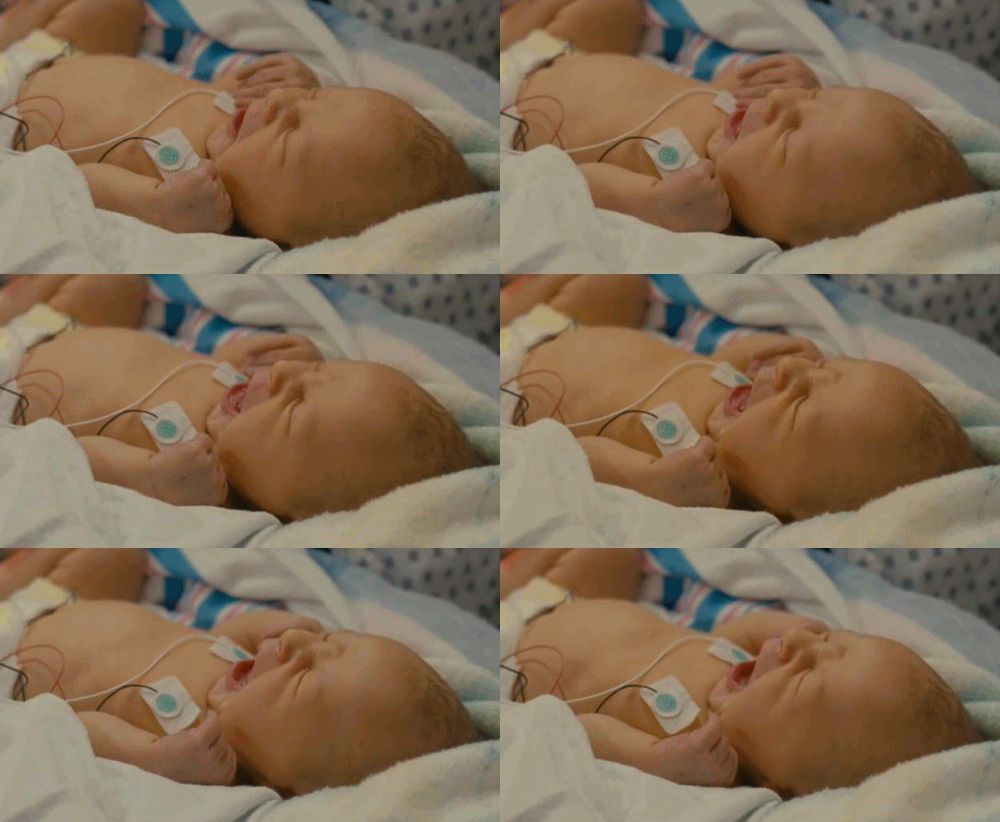
Because of COVID restrictions, she and her partner, Juan, couldn’t visit together. There were limited time slots. For five days, Fernanda couldn’t see her baby at all while she recovered.
So Juan went and FaceTimed her from beside the incubator so she could see their son. He was so small that his pacifier looked almost the size of his head.
He weighed just 2.4 pounds and measured around 16 inches long, fighting respiratory distress and surviving on one milliliter of breast milk at a time.
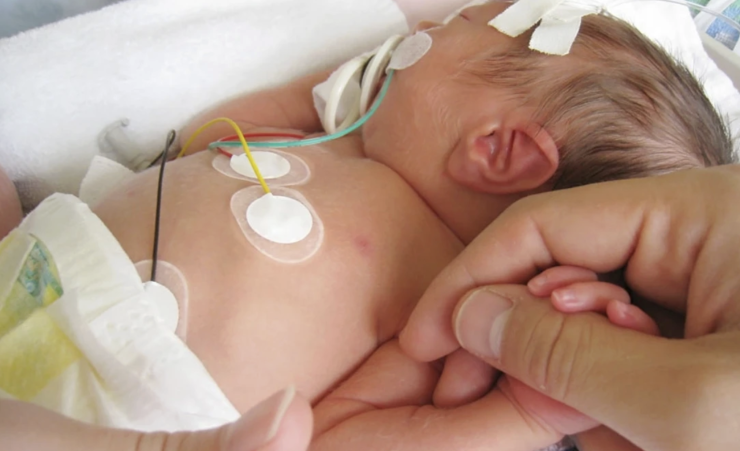
And yet, when they talk about those first two months in the NICU, they don’t describe despair.
“We were not sad,” Fernanda said. “We always thanked him. We told him stories. We gave him time.” They celebrated his one-month birthday inside the incubator. They believed he would fight.
While still in the NICU, doctors noticed unusual movements and requested an MRI. It was risky for a baby that small, but when they asked the doctor what he would do if it were his son, he said he would proceed. They agreed.

The scan showed two areas of bleeding in his brain — one before birth and one after. Doctors later confirmed he had a brain injury often seen in premature babies, one that can impact movement and development.
With seizure medication, he stabilized for a time and began to grow and learn. He rolled. He sat. He babbled.
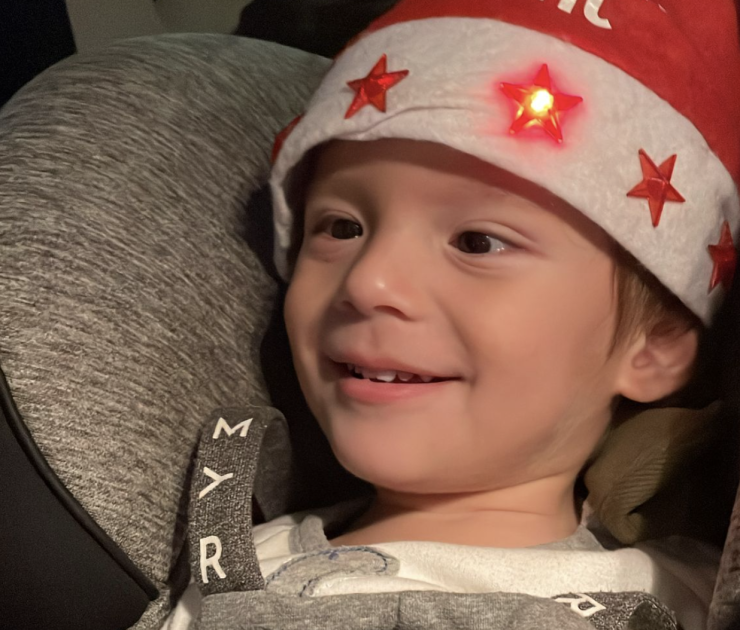
Then, at eight months old, the seizures returned.
“He went back to zero,” Fernanda said. “Like he was a newborn baby again.” He lost eye control. He stopped doing everything he had learned. In Mexico, the medication he urgently needed wasn’t available, and could only be obtained in the United States or Canada.
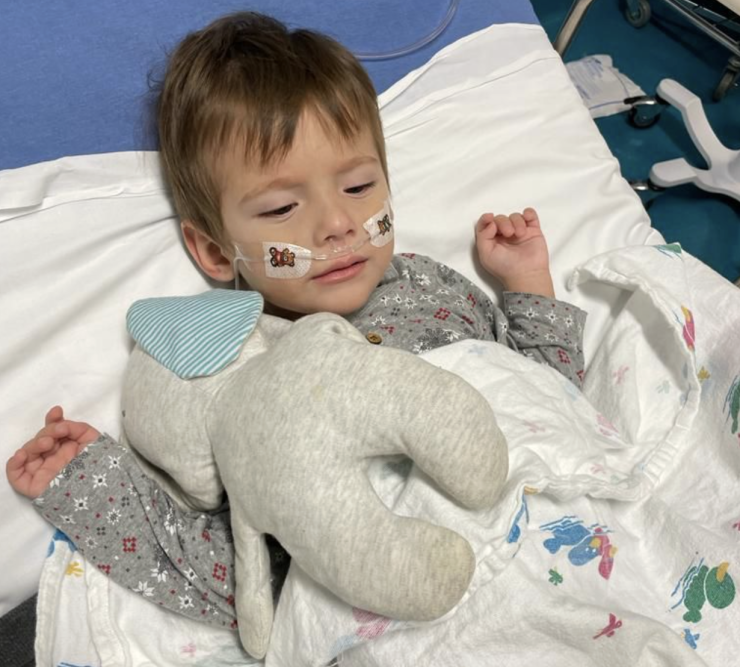
So they began traveling to the United States regularly for treatment, sometimes every month. They paid in U.S. dollars while earning in Mexican pesos. They built a hospital setup at home with equipment and a 24-hour nurse. The first night they brought him home, he stopped breathing and had to be rushed back.
They drained savings. They exhausted themselves. A doctor finally told them plainly: You need to move to the United States.
Within three months, Juan found a job in Texas. Fernanda resigned from her 12-year career at Nestlé, and they left everything behind so their son could have access to care. “We believe in destiny,” Juan said.
Today, they live in Frisco and drive to Cook Children’s Hospital for specialized care. Juanjo attends physical, occupational, and speech therapy regularly. He receives Botox injections every three months to manage spasticity, injections that are not covered by insurance.
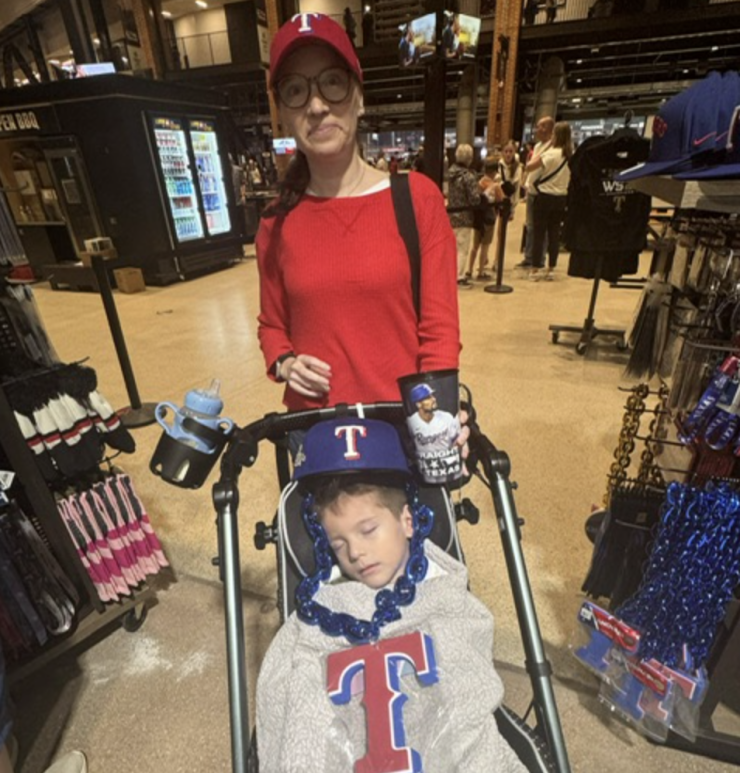
At first, insurance approved only 35 therapy sessions per year when he needs nearly 25 per month. Fernanda learned to fight denials.
“The only treatment for cerebral palsy is therapies,” she said. They learned something else, too. “Sometimes parents don’t reach out for help,” Juan said. “We learned not to be prideful.”
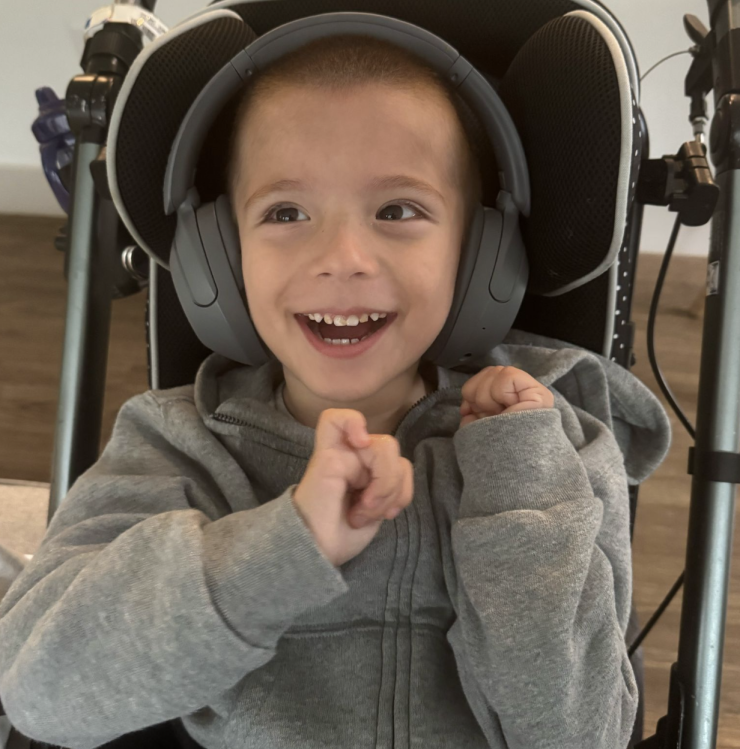
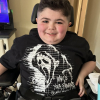
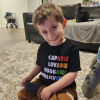
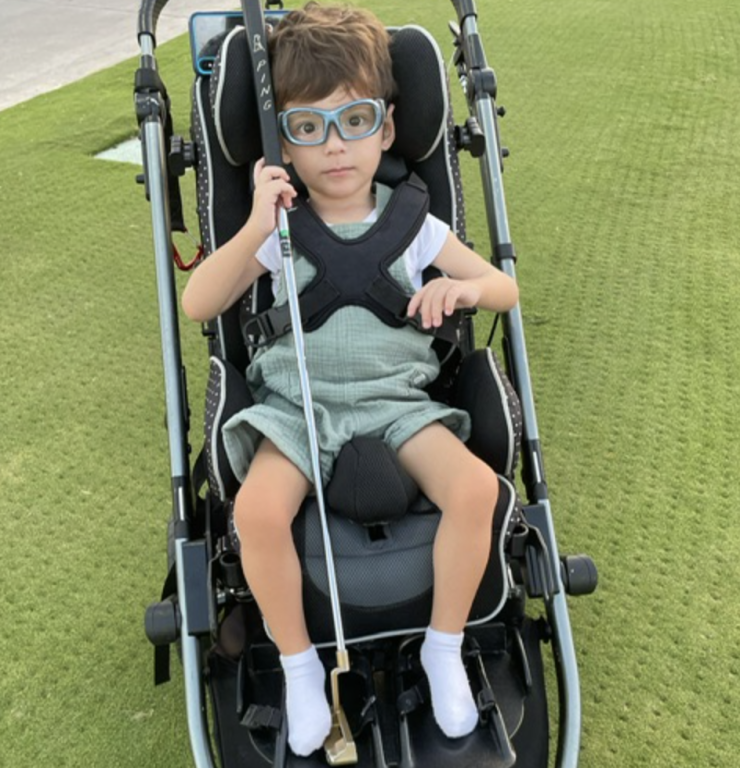
Today, Juanjo is nonverbal and requires the use of a wheelchair. He also has autism and prefers very specific shows, and only certain episodes of those shows. His parents have watched the same programs for five years straight. “He’s very consistent,” Fernanda laughed.
He loves Mickey Mouse, classical and electronic music, and Cri-Cri, a Mexican children’s songwriter his grandparents grew up listening to. His parents call him an old soul.
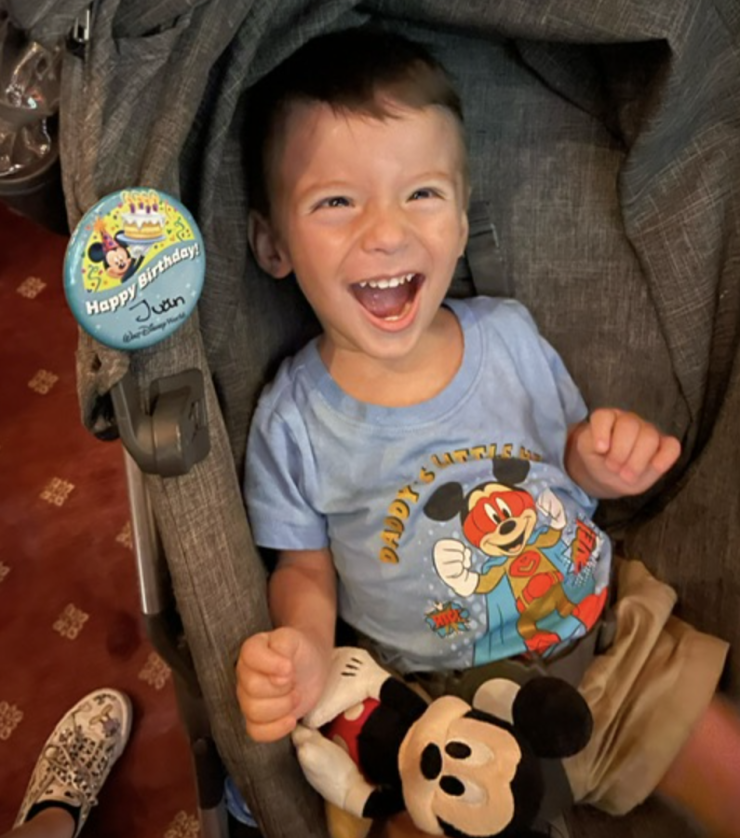
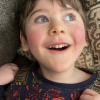
When something captures his attention — fireworks, drone shows, museum lights — he giggles and shouts with joy. His teachers say he has the best laughter and that he is always happy.
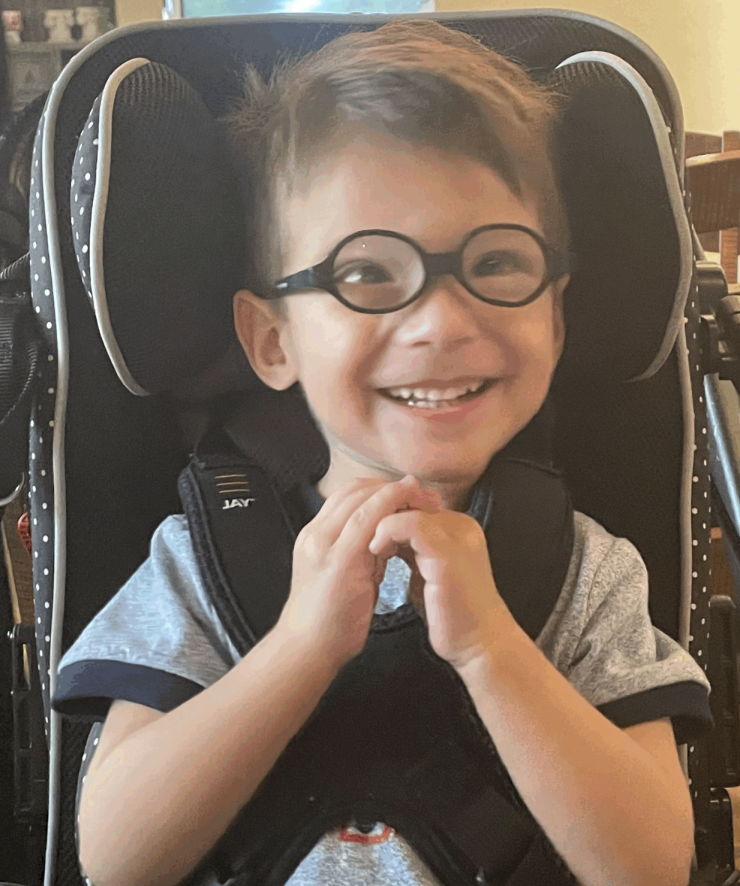
He especially loves standing, being upright and feeling tall. Recently, his physical therapist introduced him to the Levity mobility device. For the first time, Juanjo was able to take a few independent steps. “His joy was indescribable,” his parents told us.
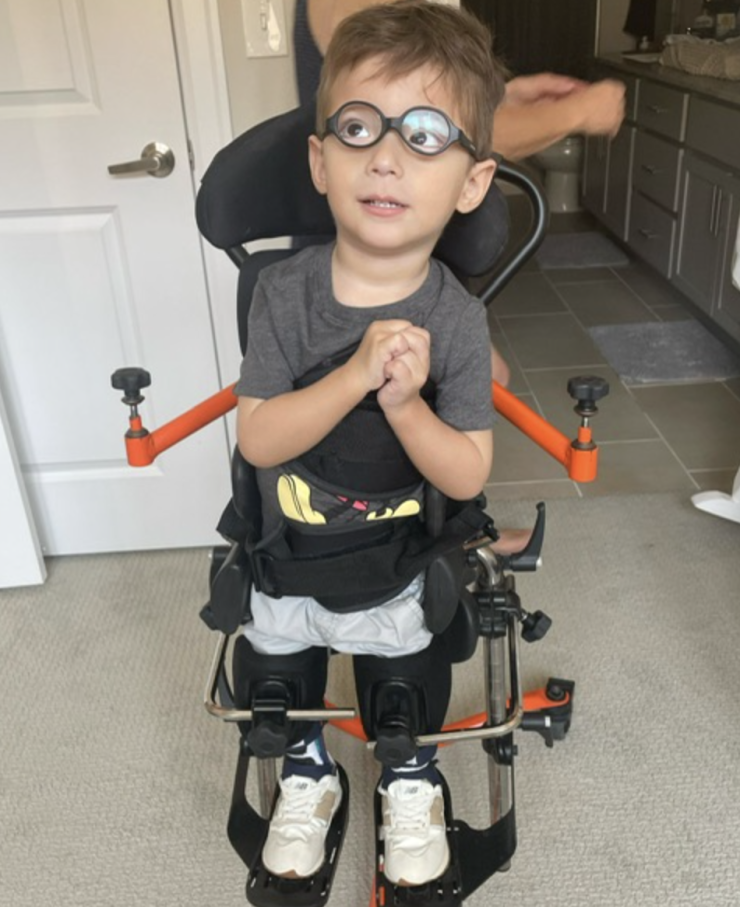
The Levity device costs $8,000, a price that felt out of reach for a family already navigating therapy bills. uncovered Botox injections, and the ongoing expenses of complex medical care. Thanks to the Chive Charities community, that barrier no longer stands in Juanjo’s way.
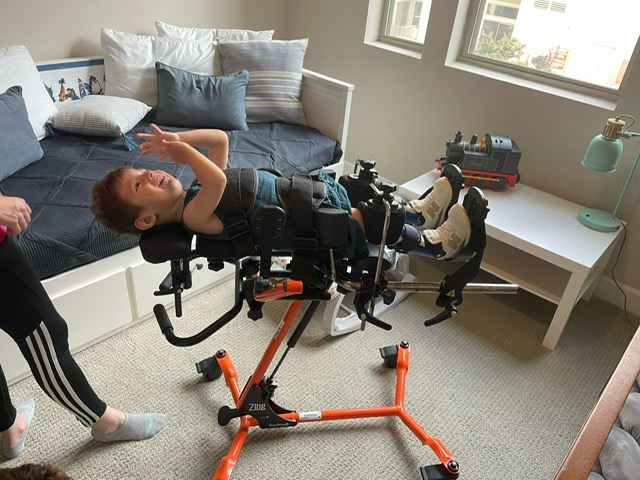
Your generosity fully funded his Levity device, giving him the chance to stand taller, move freely, and continue discovering what he is capable of.
And through everything, they hold onto one truth they have learned the hard way: “The diagnosis is only words written on a paper. Your kid is capable of many things. Never let a diagnosis define them.”
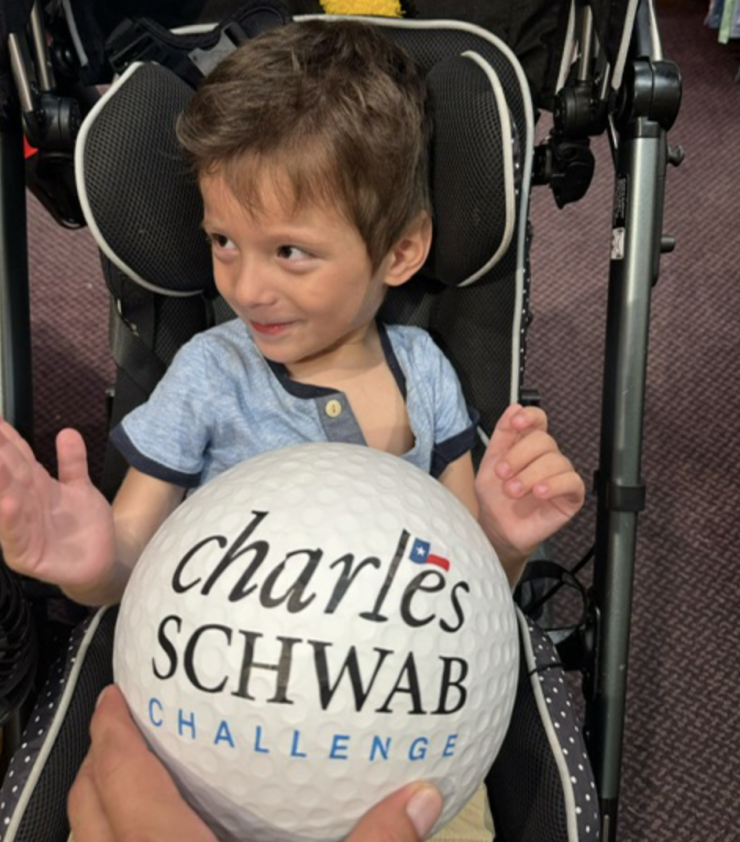
More than words.
That’s what this community is about.
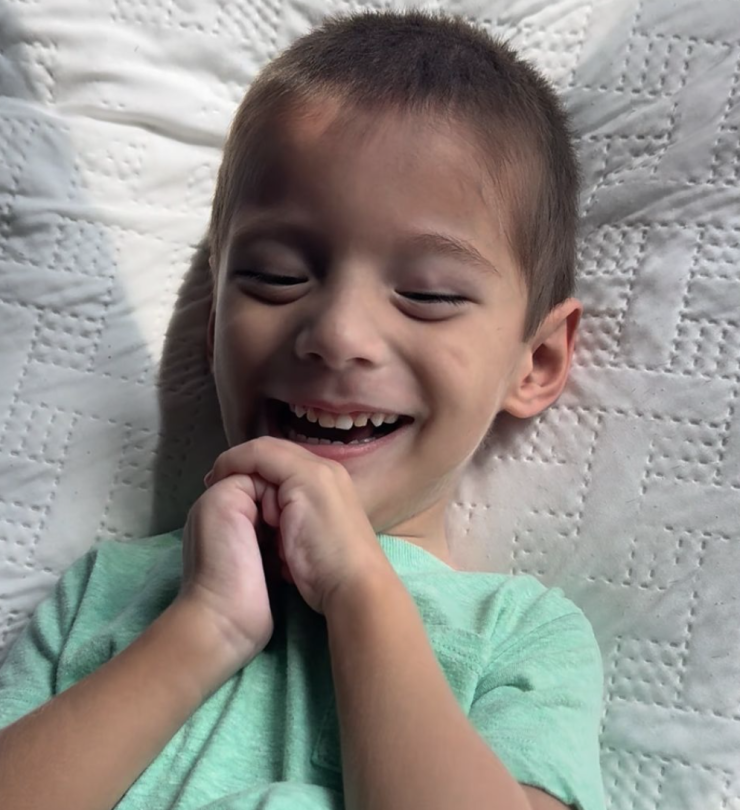
It’s easy to say we care. It’s easy to scroll past a story on a screen. But when you reach into your pocket and choose to help a family you may never meet — across the state, across the country, across a computer screen — that action becomes more than words. It becomes possibility.
Thank you. We truly couldn’t do this without you. Be part of the life change with us and DONATE HERE.
The Breakdown
Who is Juanjo?
Juan José (Juanjo) is a premature NICU survivor living with cerebral palsy and seizures whose mobility device was funded through community support.
What challenges did he face?
Brain bleeds, respiratory distress, epilepsy, autism, insurance denials, and limited access to medication in Mexico.
How did the community help?
By fully funding an $8,000 Levity mobility device that allows him to stand and take independent steps.
Why is this story important?
It demonstrates that collective generosity can remove barriers for families facing complex medical challenges.