








-3__small.jpg)


__small.jpg)


__small.jpg)


_with_flag,_jason__emily_rowley-4__small.jpg)


-2__small.jpg)


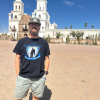
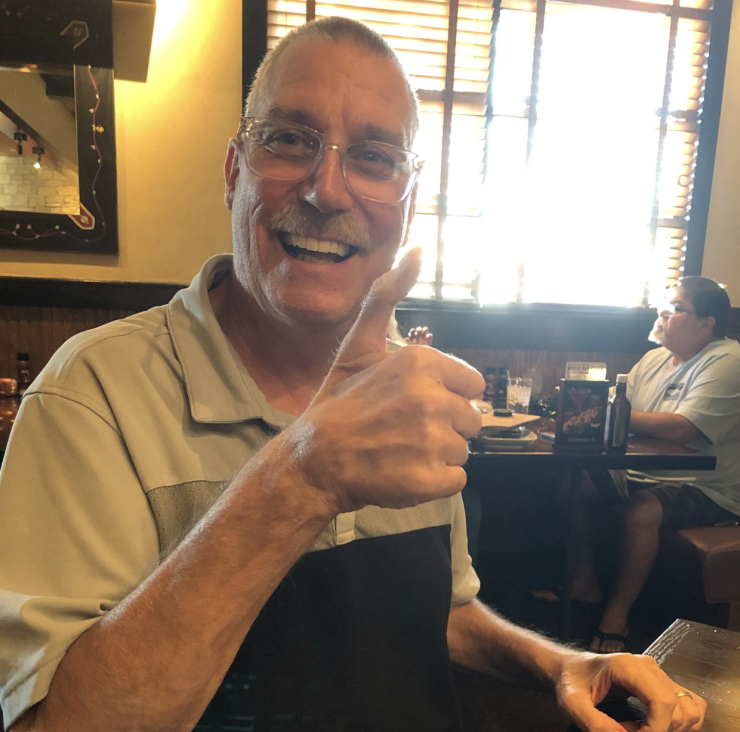
He worked long days in the Arizona desert as an estimator for a small fencing and masonry company, driving the work truck from site to site, tape measure in hand, sketching out jobs and talking with customers.
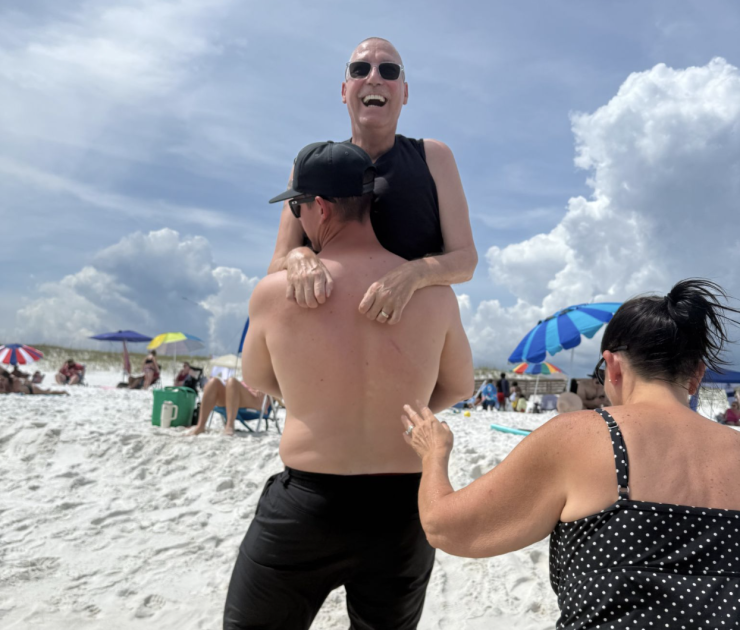
He was good at what he did — so good, in fact, that some customers chose his bids even when they cost more, simply because they wanted to work with Michael.
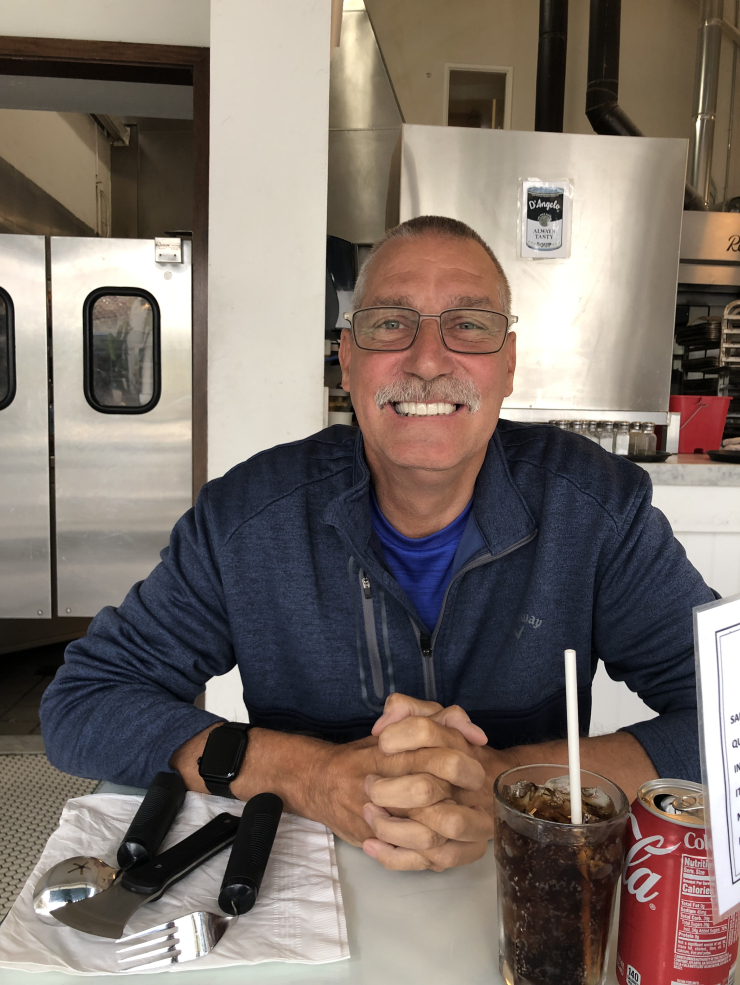
He was a golfer. A bowler. A people person. The kind of man who made a good bartender in the years before he ever stepped into construction, because he knew how to connect.
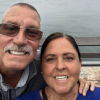
And at home, Michael and his wife Shirley did nearly everything together. Grocery shopping. Yard work. Cleaning the house. Time in the water, whether at the river or in a pool. Every week, they were side by side.
“We were a team,” Shirley said.
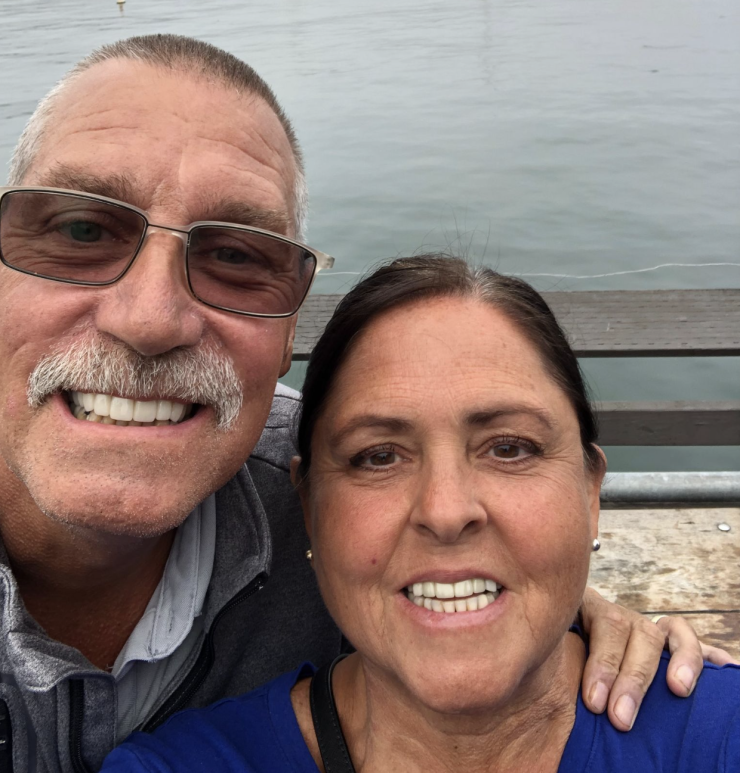
Then, in the spring of 2023, Michael’s speech began to slur.
By fall, his hands weren’t working the way they should. He struggled to grip keys and open truck doors. In the desert, where getting stuck can be dangerous, it became clear he couldn’t safely do his job anymore.
Doctors ran tests. MRIs. An EMG. A neurologist reviewed Michael’s case with six others before delivering the diagnosis that felt, Shirley says, “like a log shoved into our stomachs.”
ALS.
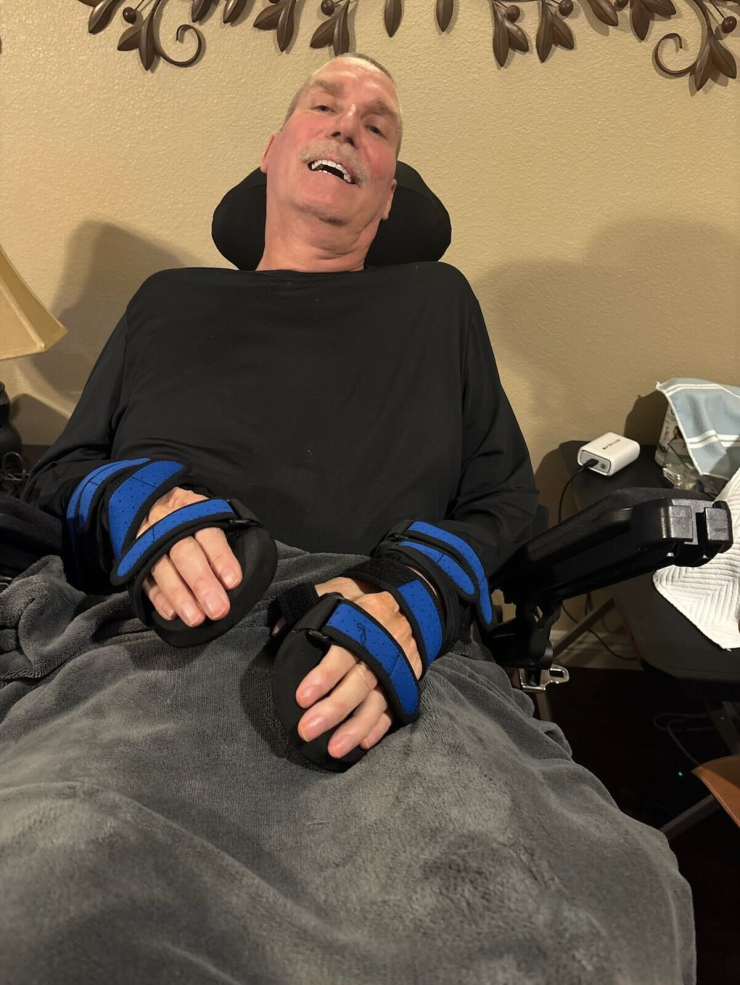
Within months, Michael stopped working. He lost his speech. Then the use of his hands. Eventually, he lost the ability to walk. Genetic testing confirmed what they hoped might not be true — Michael has C9 genetic ALS. There was no question. The doctors were not mistaken, and this was not a misdiagnosis.
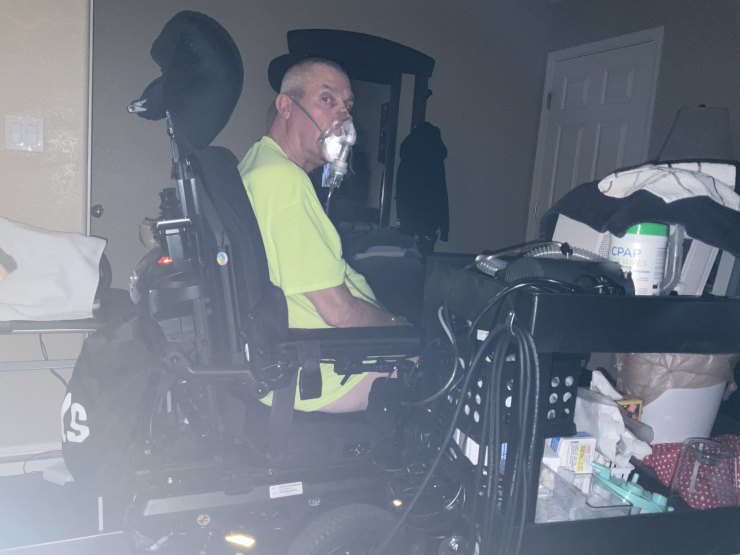
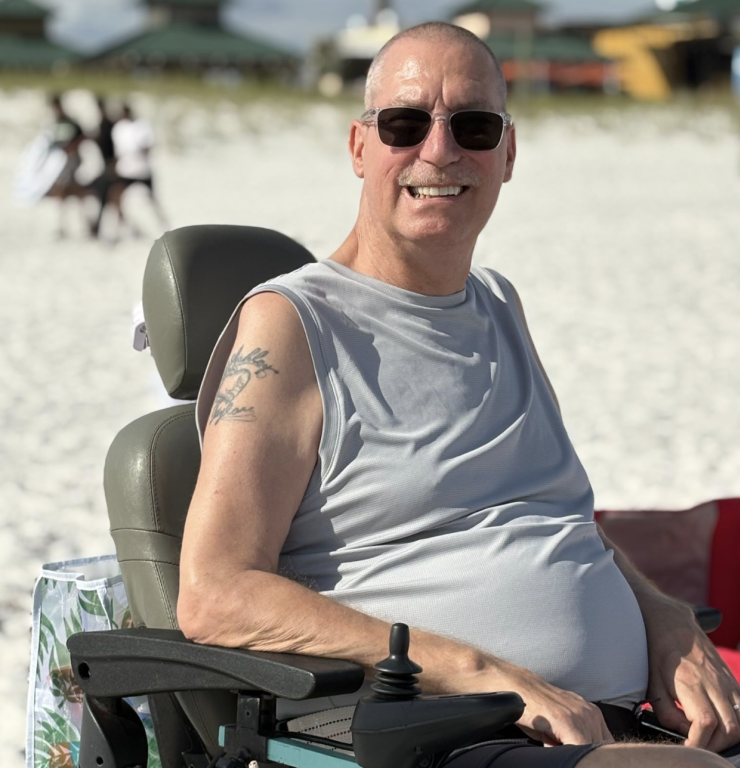
Today, Michael lives in a power wheelchair around the clock. He uses an eye-gaze device to communicate. He is fed through a tube. He wears soft, stretchy clothes because he can no longer dress himself. Shirley handles every aspect of his care — lifting, toileting, bathing, feeding — often calling on neighbors when she physically can’t do it alone.
“I have the bruises and bumps to prove it,” she said.
Living in rural Bullhead City, Arizona, has made access to care especially difficult. There is no nearby ALS clinic. Home health support is limited. Medicaid assistance was denied. Medicare does not cover long-term caregiving. Shirley does it all, often calling neighbors for help when lifting becomes unsafe on her own.
Their home is small, and for safety reasons, Michael has been sleeping in his wheelchair in the living room.
Shirley sleeps in the bedroom alone.
“It’s emotionally painful to leave my husband in the living room in a wheelchair just to try to sleep,” she told us.
That separation became even more frightening after a recent incident. One night, the bracket holding Michael’s eye-gaze device failed without warning. The device fell onto his chest, knocking his ventilator mask loose. Michael could not call out or alert Shirley. Only the ventilator alarm eventually woke her.
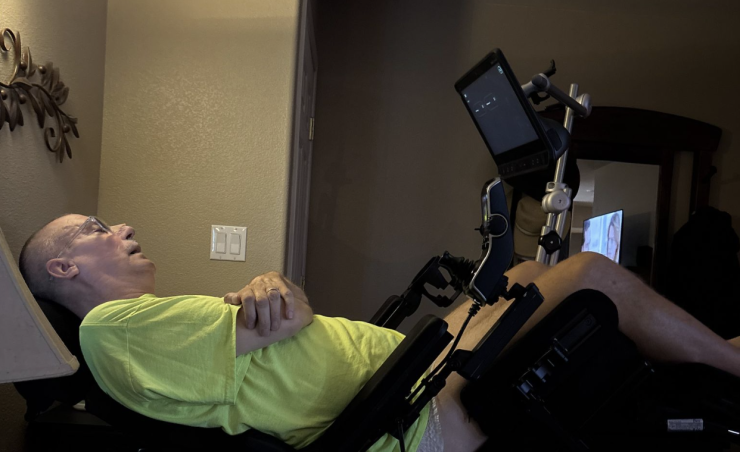
If Michael had been in the bedroom, she believes she would have heard it sooner.
That is why an adjustable bed mattered so much.
With support from Chive Charities donors, Michael received a split adjustable bed that allows him to move back into the bedroom. The bed helps reduce painful muscle stiffness, allows for safer transfers using a Hoyer lift, and makes it possible for Shirley to reposition him without risking injury.
Most importantly, it allows them to sleep beside one another again.
“To be able to hold hands,” Shirley said.
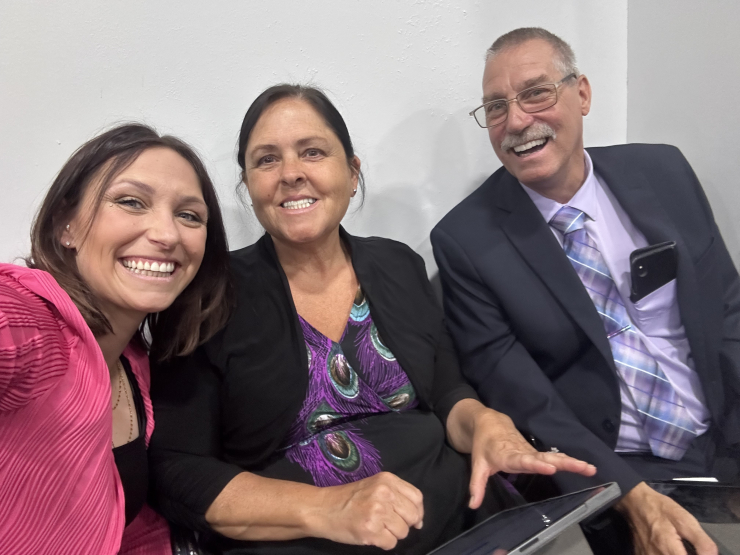
Thanks to your support, Chive Charities purchased the bed for a total impact of $4,752 so they could be together.
In the middle of everything ALS has taken, small moments still bring Michael comfort. He enjoys being bathed, the relief it brings when his skin itches. And he especially loves it when his grandsons come to visit.
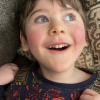
Jackson is four, and Carson is nine.
When they arrive, the house feels different. There is movement, noise, and laughter. Shirley says they bring life into the room. Sometimes Michael’s son brings the boys over on Saturday evenings, and while Shirley gets a moment to breathe, Michael gets time with his grandchildren that means everything to him.
Those moments, along with being able to sleep in the same bed again, restore something ALS cannot take away.
Connection.
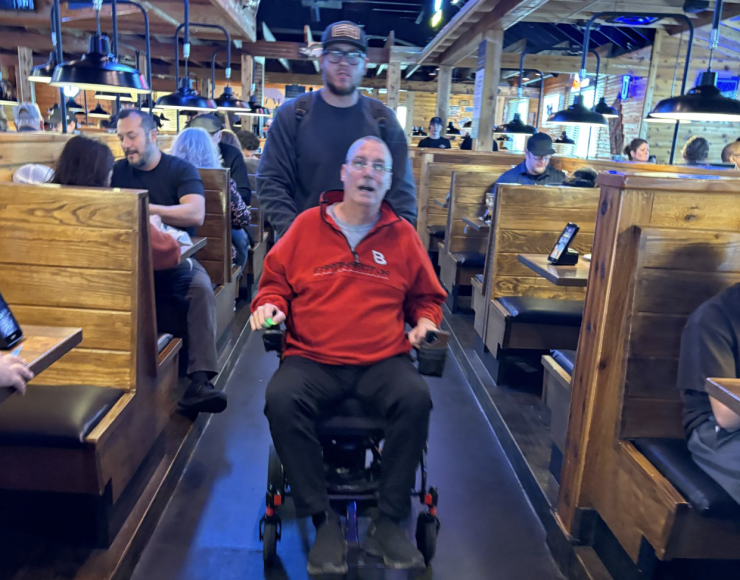
Michael still connects, through a screen and through his eyes, with the woman who has become his caregiver, his advocate, and his voice. And Shirley keeps going.
Because neighbors show up when she calls. Because strangers care. Because organizations like Chive Charities remind families like theirs that they are not invisible.
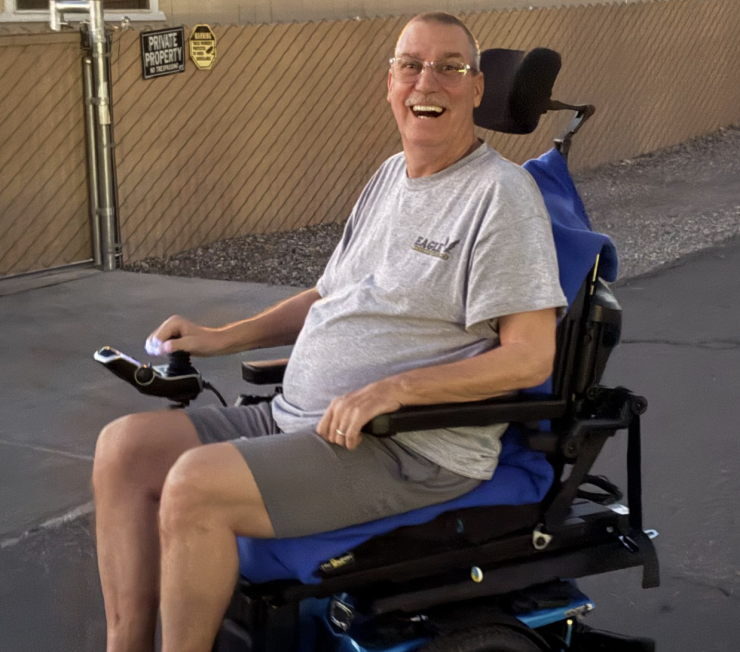
“There are people who care,” Shirley says. “You just have to look for them.”
Thanks to the generosity of Chive Charities donors, Michael and Shirley no longer have to sleep apart. They no longer have to choose between safety and closeness. ALS can’t take that away.
Chive Nation is a community that knows the importance of coming together and being there for those who need it most. You’ve done it for more than 10 years, showing up for families in their hardest moments and proving that no one has to face them alone.
If you believe in taking care of our own and showing up when it matters, come along on this ride with us and join our donor family today. We’ll change more lives, together. DONATE HERE.