



















-3__small.jpg)


__small.jpg)


__small.jpg)


_with_flag,_jason__emily_rowley-4__small.jpg)


-2__small.jpg)



She didn’t set out to build a life like this—where machines run through the night, where sleep comes in short stretches, where everything revolves around keeping her daughters safe.
And she didn’t expect to raise children whose lives had already been shaped by more than most people will ever understand.
But it is the life she stepped into, choosing to become their protector and, ultimately, adopting all five girls as her own.
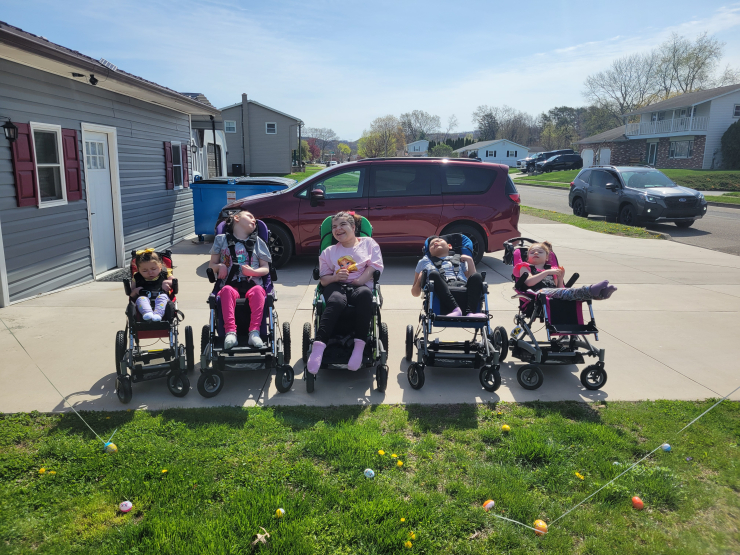
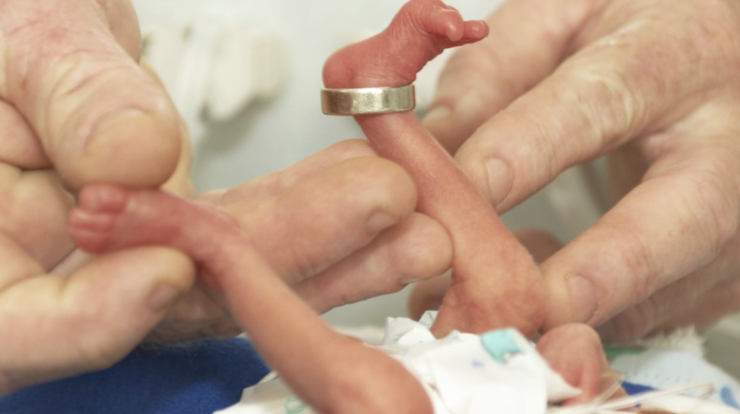
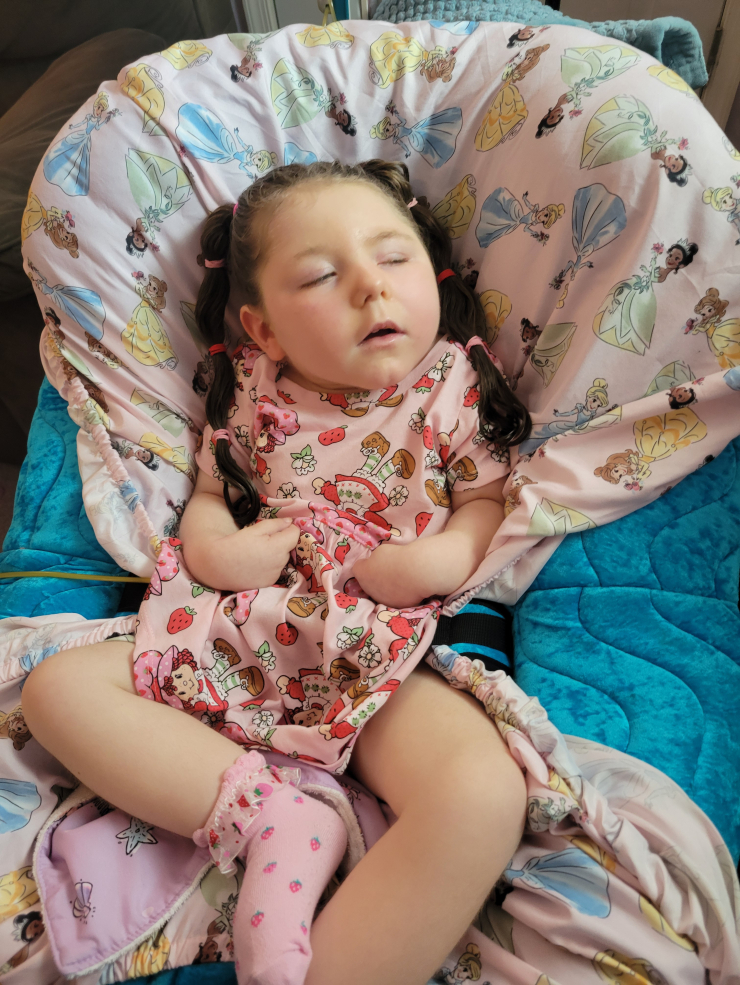
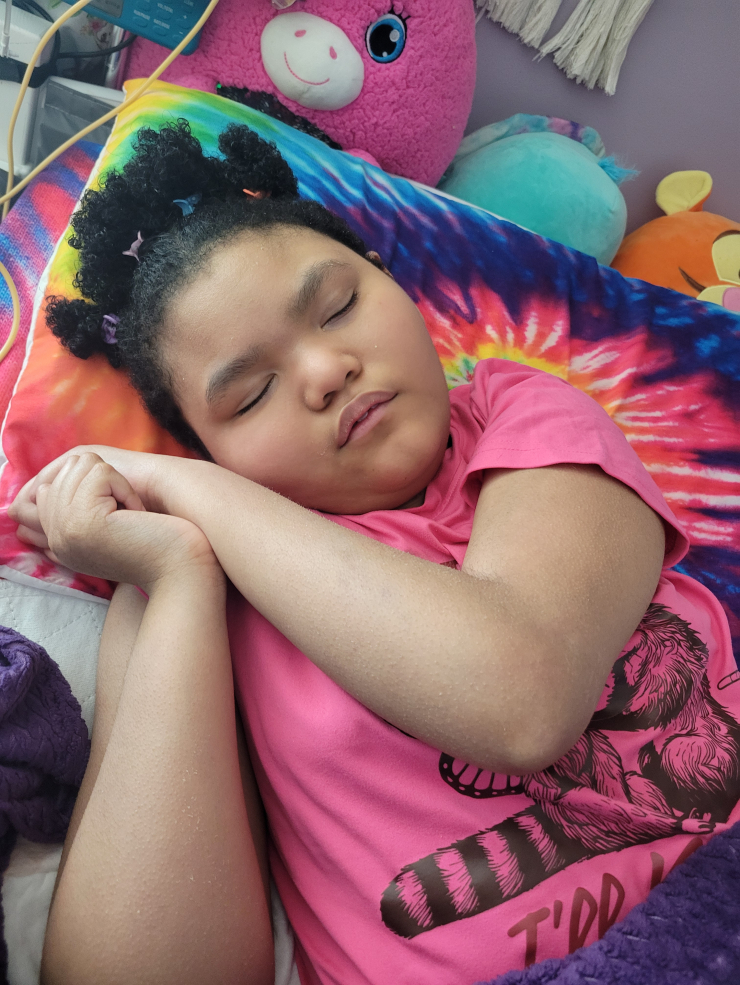
Four of her daughters were born healthy. Before they were old enough to make sense of the world around them, they experienced unimaginable abuse that left lasting neurological and physical effects, changing the course of their lives. Her fifth daughter, Treasure, came into the world at just twenty-three weeks and has fought for her life from the very beginning.
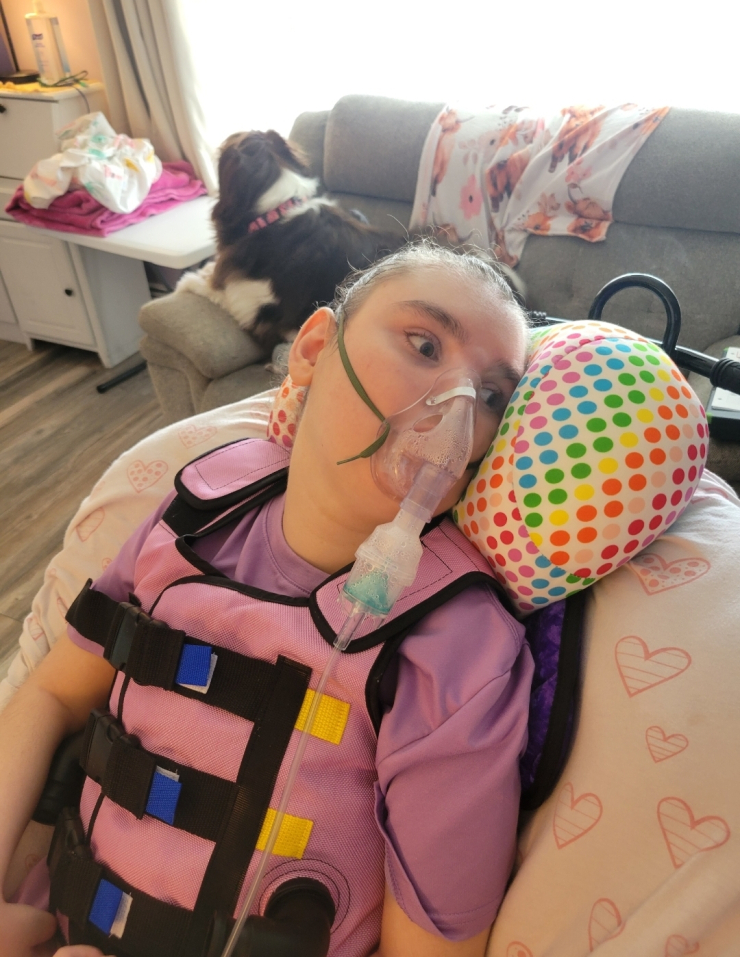
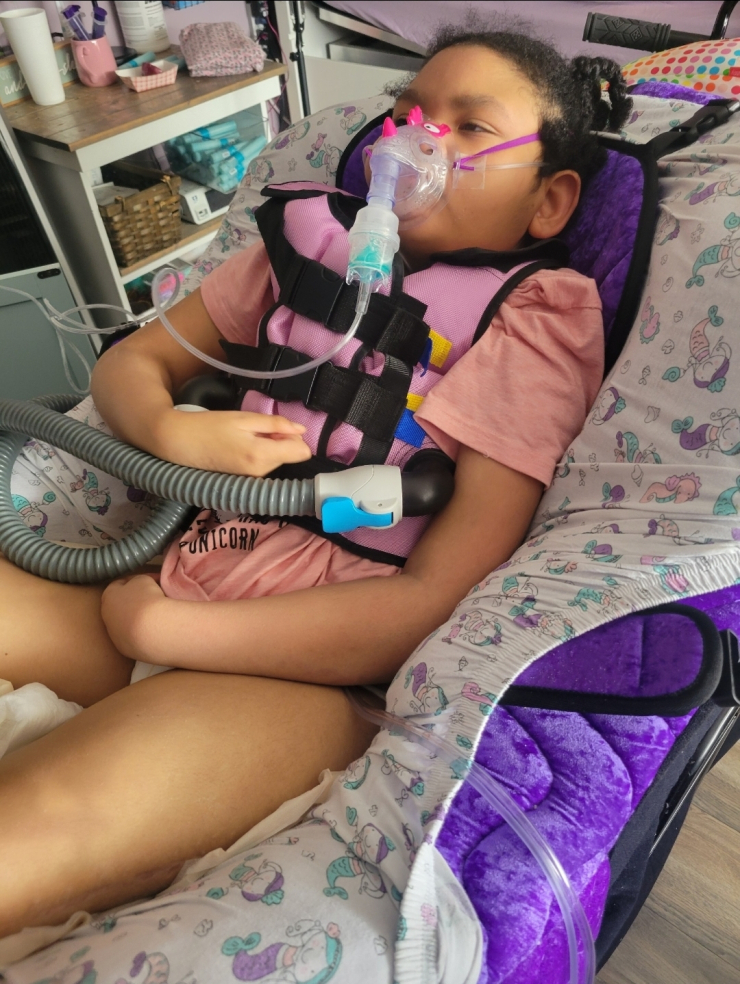
Each of the girls experiences the world differently. They are not able to walk, and most communicate in ways beyond words. Several rely on respiratory support, and all require consistent, hands-on care for their daily needs.
This is the part that’s hard to fully grasp unless you’re living it—not just the complexity of the care, but the constancy of it. The way it reshapes everything.
“What would it help for me not to be calm?” Nicole said.
It’s something she’s learned over time.
Step inside their home, and you can feel it right away. Everything has a purpose. Every room, every system, every routine has been shaped around what the girls need to stay safe and at home.
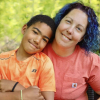
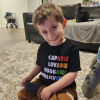
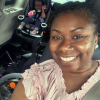
Nicole and her husband are the parents of eight children—three biological, now grown, and five daughters they adopted through foster care: Belle, Treasure, Malani, Gracie, and Lilly. What started as a desire to help grew, one child at a time, into something much bigger.
“I really saw the need for good homes,” Nicole said. “Homes that would keep kids healthy and safe.”
There wasn’t a perfect plan. Just a willingness to learn as they went.
“I’ve come a long way,” she said. “From Googling everything to where I am now.”
Her days move in a rhythm that rarely slows. Medications. Repositioning every two hours. Monitoring equipment. Managing supplies. Making calls. Figuring out what to do when something doesn’t quite make sense.
“I’m always doing things,” she said. “There’s always something.”
The house reflects that life. Feeding pumps hum quietly in the background. Oxygen equipment is always within reach. A ceiling lift system helps move the girls safely. Supplies fill every available space—so much so that they’ve needed extra sheds just to store it all.
And still, it feels like a home.
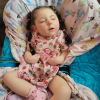
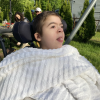
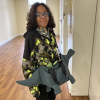
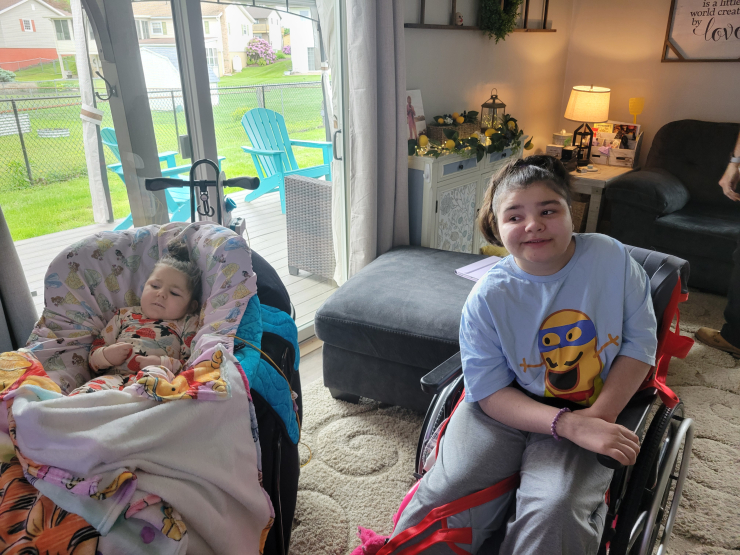
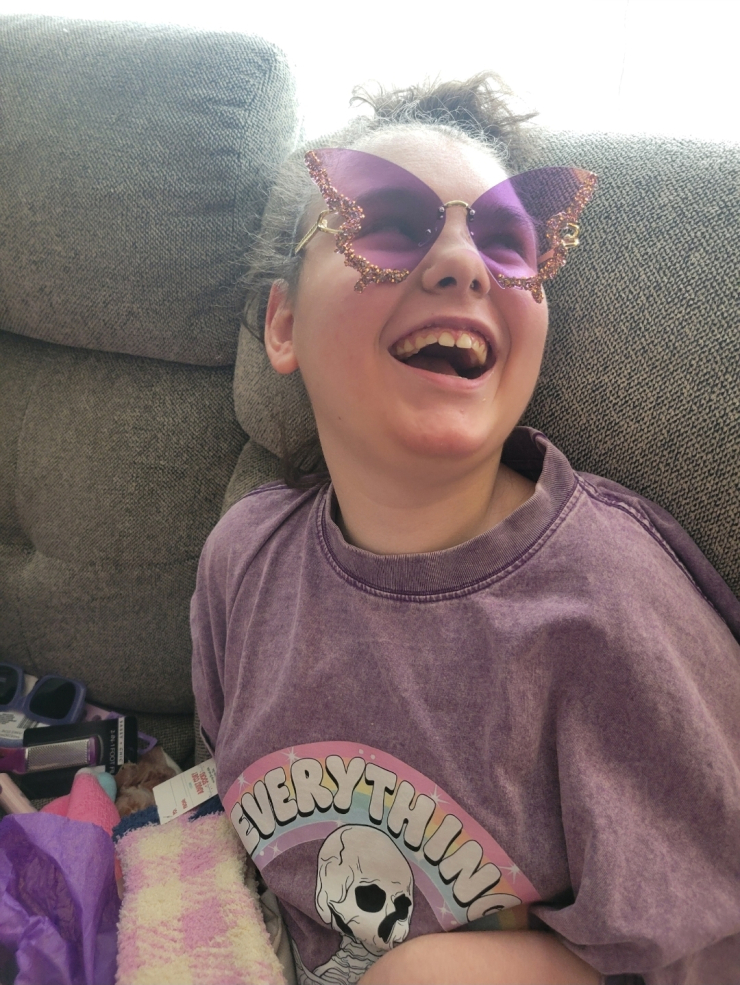
Music is always playing. It’s something the girls share. Belle, the oldest, loves Queen and the Red Hot Chili Peppers. She understands everything happening around her, even if she can’t respond in words.
“She’ll judge you with her eyes,” Nicole said, laughing. “She can’t control her face.”
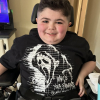
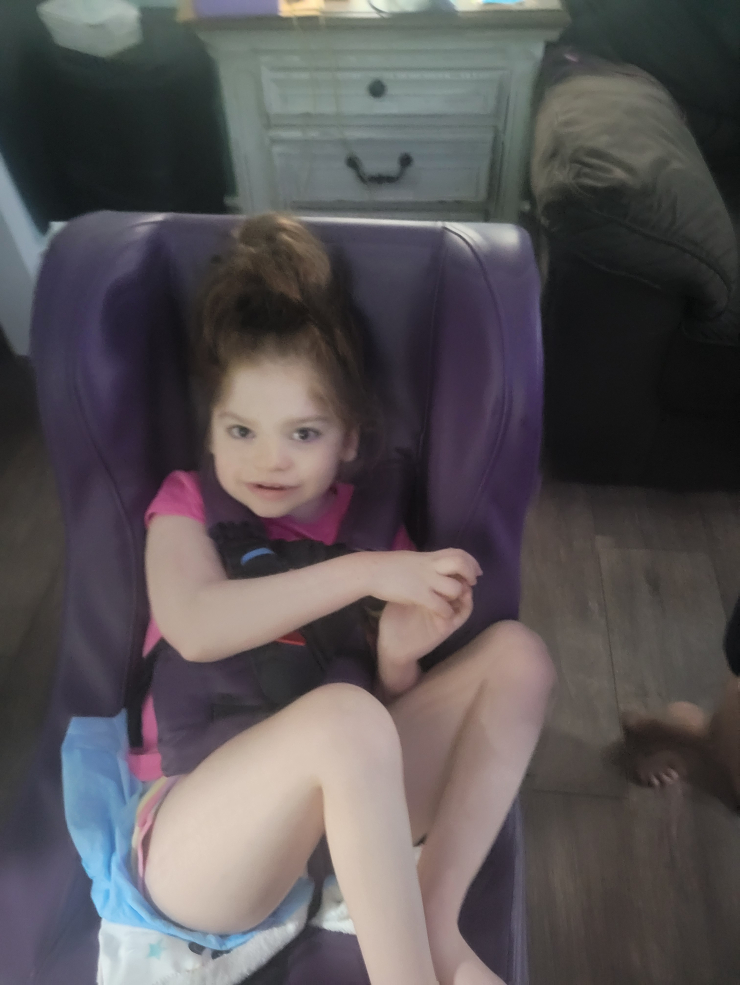
Gracie, younger and harder to predict, lives with severe dystonia—a condition that causes her body to move and tense in ways she can’t control, often without warning. Some episodes last weeks, and even then, it’s not always clear exactly what’s happening.
“We just take it minute by minute,” Nicole said.
Outside of those stretches, Gracie is playful in her own way. She loves Looney Tunes, lights, music, and being close to her family.
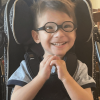
Treasure gravitates toward Peppa Pig and SpongeBob. Lilly loves Daniel Tiger. Over time, even Nicole’s habit of watching true crime during long hospital stays became something familiar, something the girls now associate with her being there.
“It’s comforting to them,” she said. “It means I’m there.”
Comfort here isn’t accidental. It’s something Nicole creates, over and over again, in small and steady ways.
Which is why something as simple as electricity carries so much weight.
In their home, power isn’t just a convenience. It’s what keeps everything going. Feeding pumps, oxygen equipment, suction machines, monitors—all of it depends on it.
“When the power goes out, we have maybe two hours,” Nicole said. “If someone’s sick, we’re going to the hospital.”
There’s no waiting it out. No margin for error.
“When the wind blows, I kind of have PTSD,” she said. “You get that sinking feeling.”

For years, Nicole has done everything she can to make this life work, figuring it out as she goes, saying yes when it matters, and finding a way forward even when there isn’t a clear one.
She would do anything for her daughters.
And she has.
That has meant making big decisions, taking on what needs to be taken on, and building a home that can hold everything they need. A wheelchair-accessible van that can transport multiple daughters at once. Modifications to make daily care possible. Equipment that isn’t always covered by insurance but is always necessary.
“We needed it,” she said. “So we got it.”
But there are still things that fall outside of what one family can carry alone.
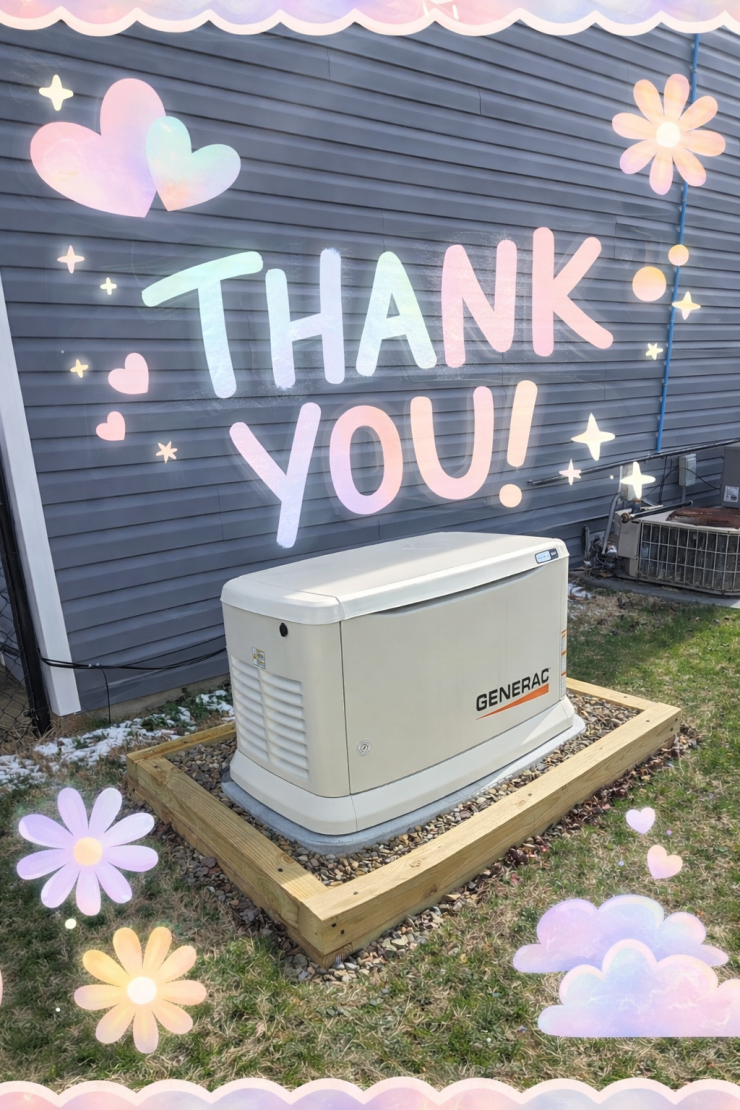
The generator has been one of those things.
Not a luxury, but a lifeline.
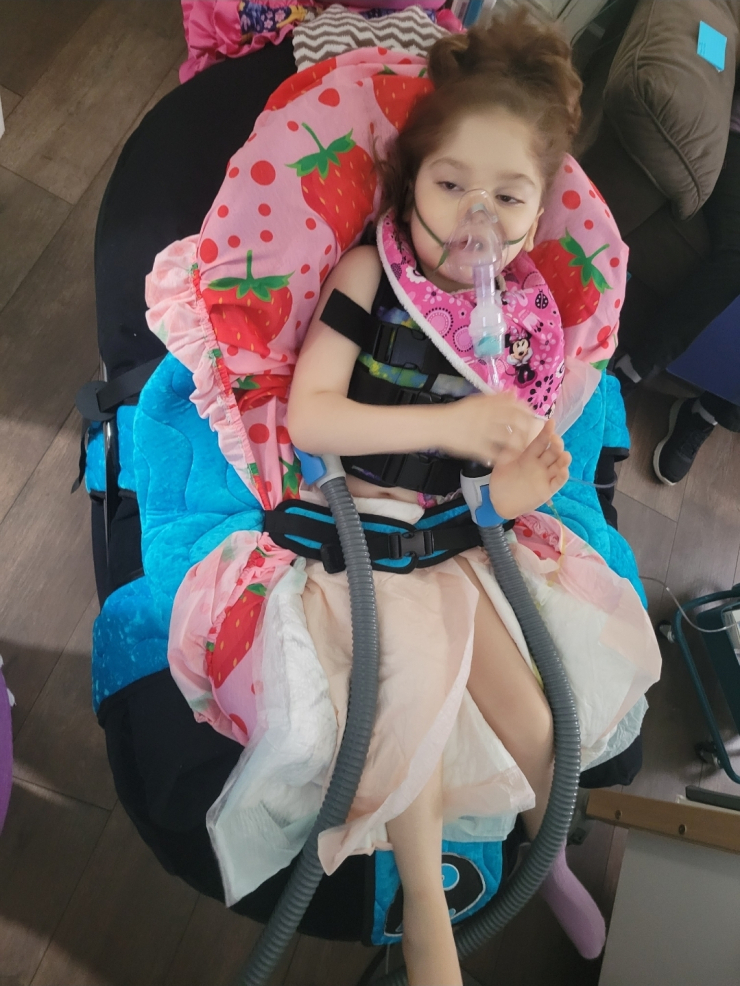
A way to make sure that everything her daughters depend on keeps working, no matter what happens outside.
“It means I can breathe a little bit,” she said. “I don’t have to worry when a storm hits.”
Nicole’s goal has always been simple.
“Our goal is for my kids to never have to leave this house,” she said.
Everything she’s built points to that. A home designed for care. A family that shows up for one another. A safe haven that’s forever theirs.

For most families, a generator is something you hope you never have to use. For Nicole’s family, it’s something else entirely. It’s a way to make sure what they’ve built can hold.
Thanks to the generous contributions of our donor community, Chive Charities was able to purchase a whole-home generator for the family for a total impact of $13,700.
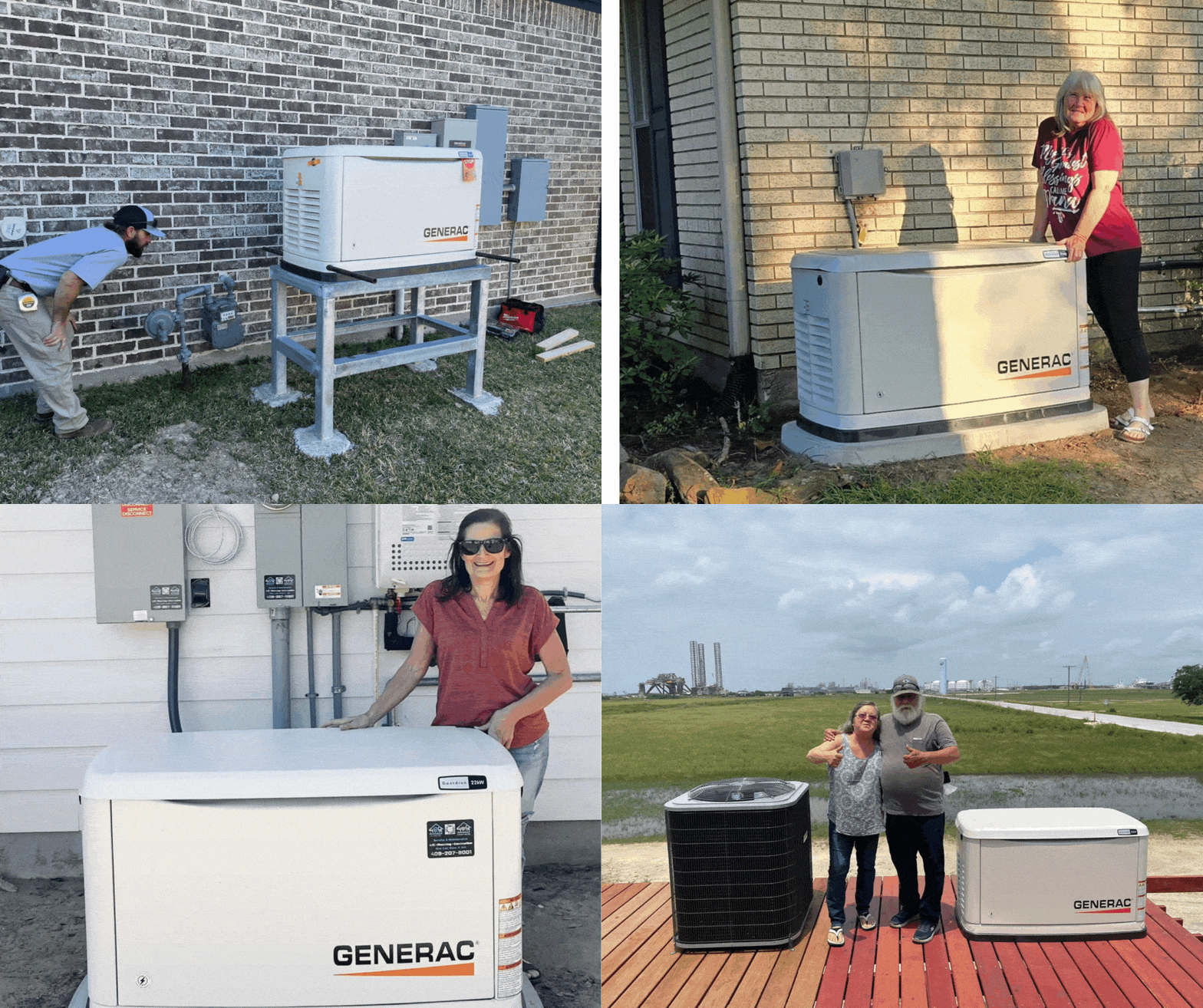
Considering it will literally keep five medically complex girls alive, the impact extends far beyond the dollar amount.
“For most families, a generator might be considered a convenience. For ours, it is a lifeline. It represents safety, stability, and the peace of mind that our daughters will never be left vulnerable when storms or outages occur.
Our family works tirelessly to provide the care our daughters need every single day. A generator would help ensure we can continue doing that safely, keeping our girls out of the hospital and in the place where they are most comfortable, most secure, and most loved—their home.
We share our story with humility and hope. Your support not only helps us purchase a generator, but it protects five medically fragile children who rely on us for everything.”
Lives changed for the better with one generator? Not bad for a Wednesday.
This is the power of a community that shows up. It’s what happens when ordinary people decide to be part of something bigger than themselves.
If you’ve been looking for a way to make a real difference, we’d love to have you join the Chive Charities donor family. Because stories like this don’t happen without you. Thanks for all you do. DONATE HERE.
The Breakdown
Q: Why would a medically complex family need a generator?
A: Families with medically complex children rely on powered equipment like feeding pumps, oxygen, and monitors. A generator ensures these critical systems continue during outages.
Q: How do nonprofits help families with medical needs?
A: Nonprofits like Chive Charities fund essential equipment, home modifications, and support systems that improve safety, quality of life, and long-term stability.
Q: What impact does a generator have on a special needs household?
A: It prevents emergency hospital visits, maintains continuity of care, and provides peace of mind during power outages.