










-2__small.jpg)
























-3__small.jpg)


__small.jpg)


__small.jpg)


_with_flag,_jason__emily_rowley-4__small.jpg)


-2__small.jpg)


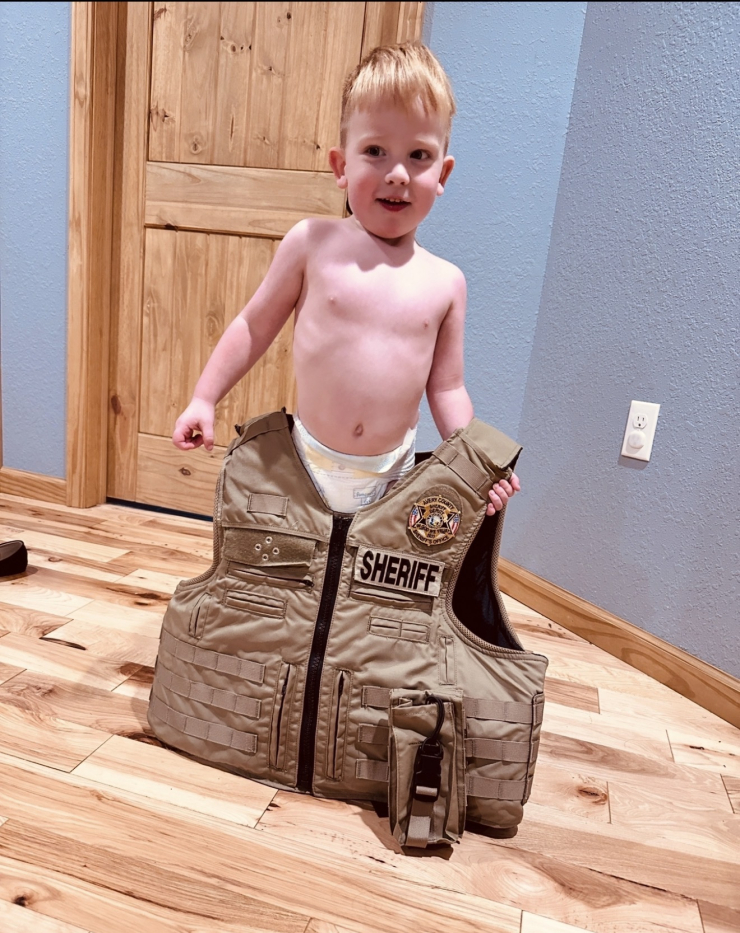
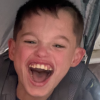
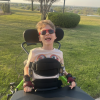
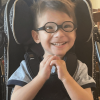
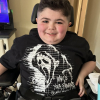
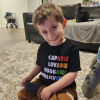
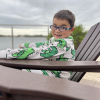
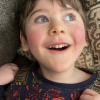
One is four years old, loves dump trucks, bubbles, and playing in the dirt, and has never met a stranger he didn't want to entertain.
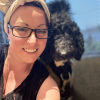
The other has four legs, a fluffy coat, and absolutely no concept of personal space.
Meet Coen and Jett.
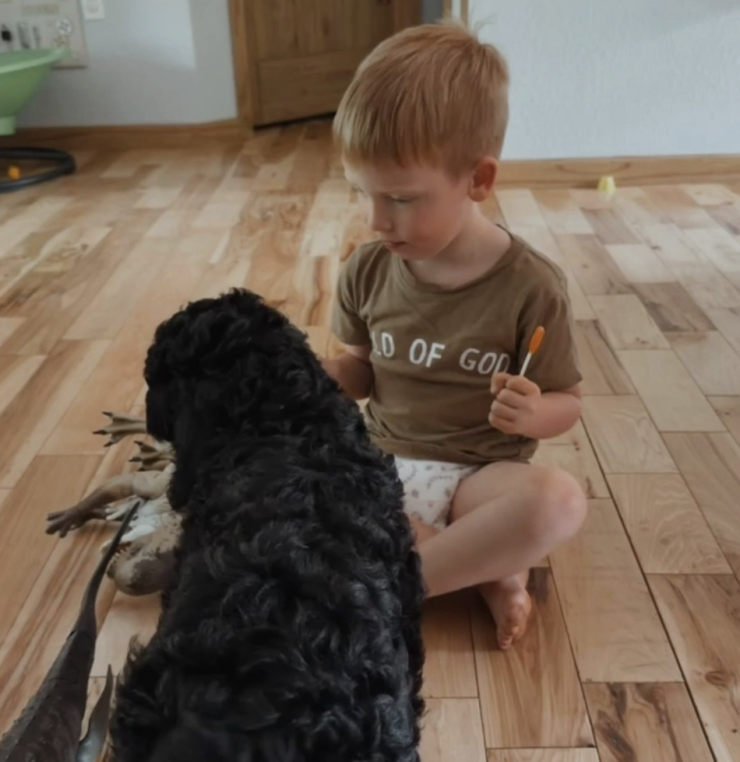
The two have quite a bit in common, according to Coen's mom, Courtney. They're both outgoing, endlessly curious, and happiest when they're outside getting into something. Coen has even recruited Jett as his partner in crime, using one of the phrases he's learned to say to invite his four-legged buddy along.
"Come with me," he'll tell Jett before taking off running, fully expecting him to follow.
And Jett, being a very good boy, happily obliges.
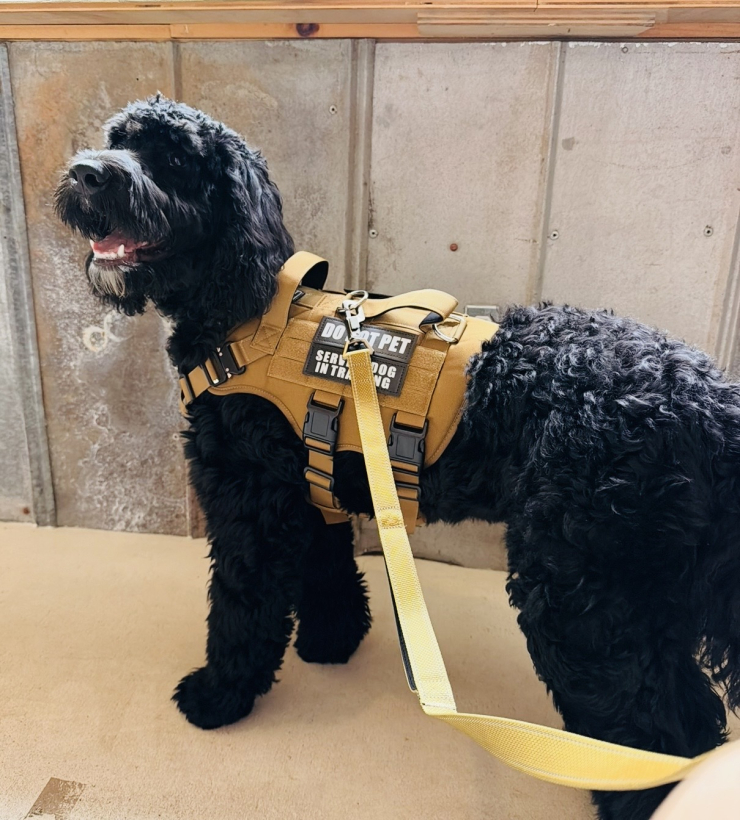
It's a friendship that means a lot to Courtney, who has spent much of Coen's life searching for ways to help him feel safe and supported.
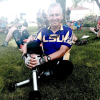
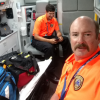
For years, Courtney served as a deputy with the Avery County Sheriff's Office, responding to emergencies and helping people through some of their most difficult moments.
"If I don't have the answer, I need to find out who does," she explained.
But when Coen was born in January 2022, Courtney found herself facing an emergency she couldn't solve.
Coen arrived via an unplanned C-section and was immediately taken to the NICU, where doctors discovered he had sagittal craniosynostosis, a condition in which the bones of his skull had fused too early.
At just four months old, Coen had surgery to correct the condition. But during the operation, the protective lining around his brain was accidentally torn, causing bleeding and complications that required additional breathing support.
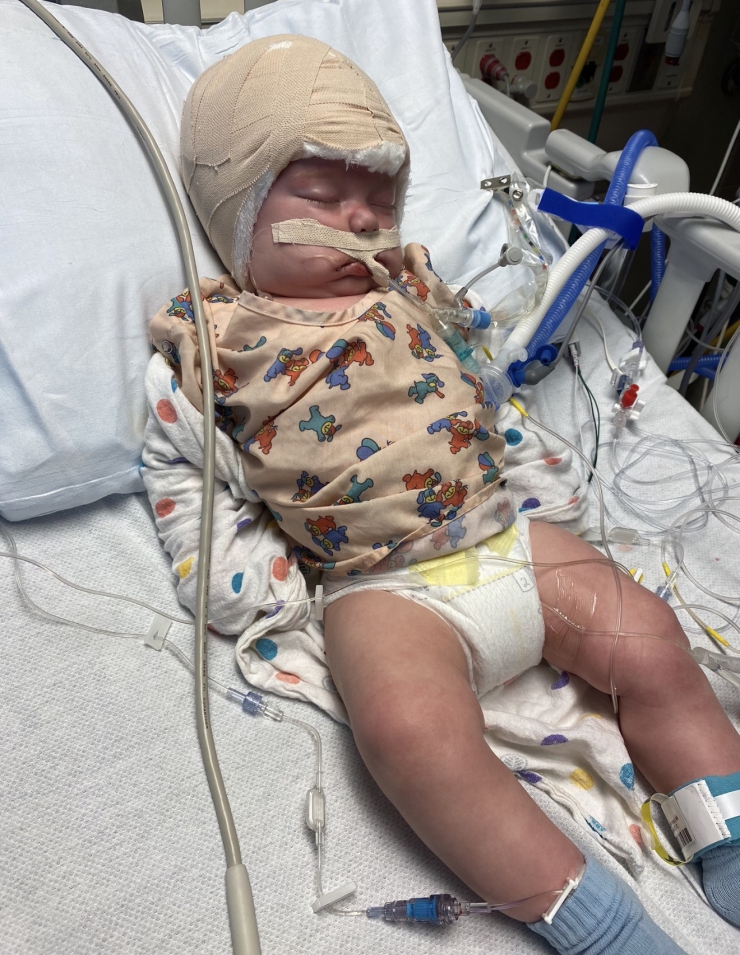
"I remember asking, 'Is he alive?'" Courtney recalled.
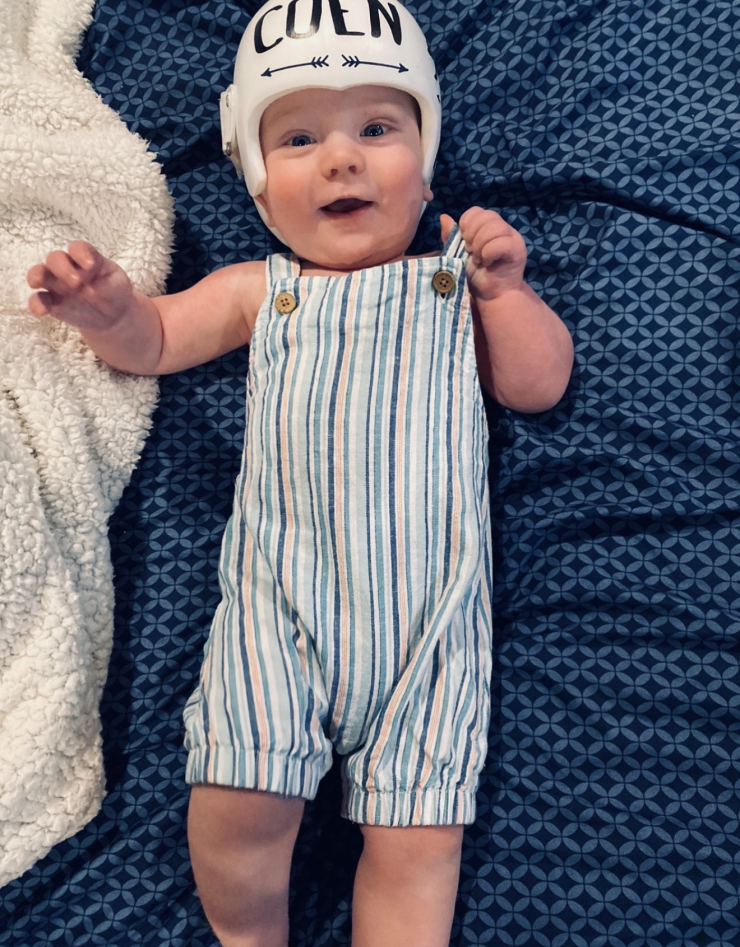
Thankfully, Coen survived, although his recovery brought months of uncertainty, follow-up appointments, and helmet therapy. Courtney also began noticing developmental differences, prompting her to pursue early intervention services. Coen was eventually diagnosed with Level 2 autism.
Today, he participates in speech, occupational, and behavioral therapies throughout the week. His verbal communication is limited, but he's learning new words and finding plenty of other ways to make his opinions known.
And according to Courtney, he's got quite a few of them.
"He's a very happy kiddo. Very happy. He loves people."
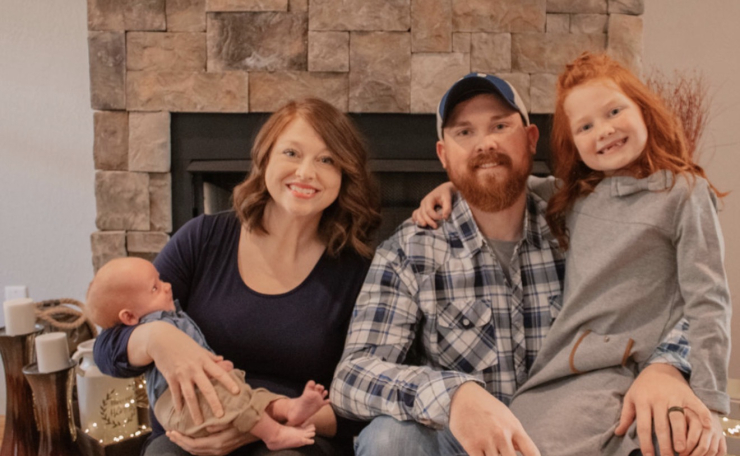
He especially loves his big sister, Hattie, who can get him laughing with a game of "up high, down low, in the middle, too slow." He and his dad have their own wrestling routine before bed, and if there's an opportunity to play outside, Coen is usually the first one headed for the door.
Still, an area of Coen's skull remains open following surgery, making head injuries a serious concern. When overwhelmed, he sometimes hits his head against nearby surfaces, and even routine medical appointments can become scary experiences.
With therapy five days a week and growing safety concerns, Courtney made the difficult decision to leave her career in law enforcement to care for Coen full-time.
Around that same time, a little help arrived on four paws.
After the family lost their beloved golden retriever, Maisie, Courtney began researching service dogs for children with autism. She contacted a local goldendoodle breeder, but the expense of bringing home and training another dog wasn't something the family could manage.
Months later, the breeder unexpectedly reached out with an offer: She wanted to give Coen a puppy.
And that's how Jett joined the family.
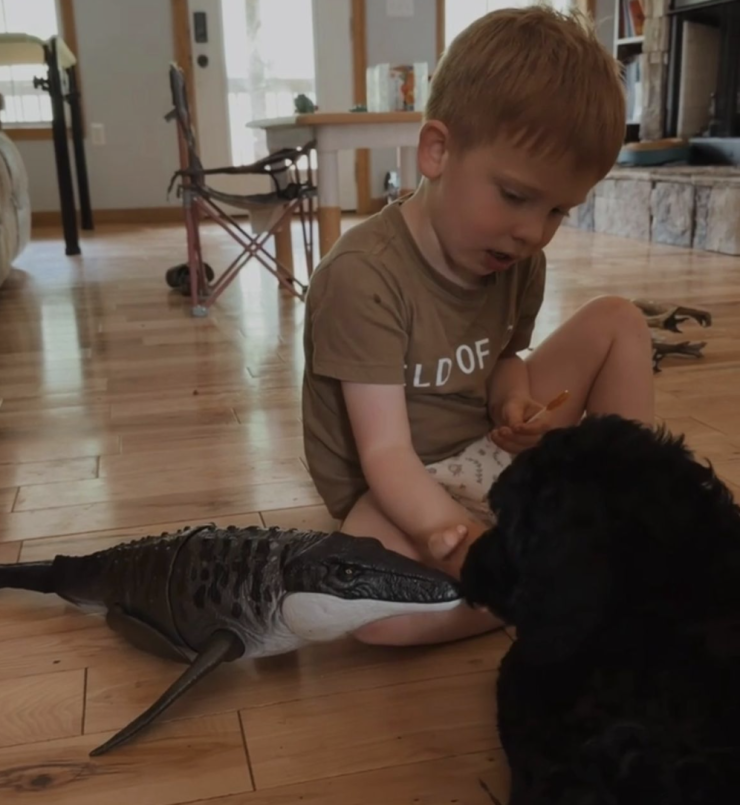
Today, Jett follows Coen around the house, plays with him outside, and occasionally rests his head beside Coen's bed while waiting for his favorite human to wake up.
With specialized training, Jett could learn to provide calming pressure when Coen becomes overwhelmed, assist with safety-related tasks, and help him navigate frightening medical appointments. Best of all, the training will happen at home, allowing Coen to participate alongside his buddy.
But while Jett could help Coen navigate the world during the day, nighttime presents another challenge.

Because of his vulnerable skull and tendency to move unpredictably while sleeping, Coen has never slept independently. He's also an exceptionally clever escape artist who has figured out nearly every childproof lock his parents have installed.
With a river behind their home and a road nearby, Courtney worries constantly about his safety.
"I wake up at least every hour," she explained.
A Cubby Safety Bed with Dream Hub could change that, providing an enclosed, sensory-friendly sleeping environment with built-in technology to help keep Coen safe while giving his parents some much-needed peace of mind.
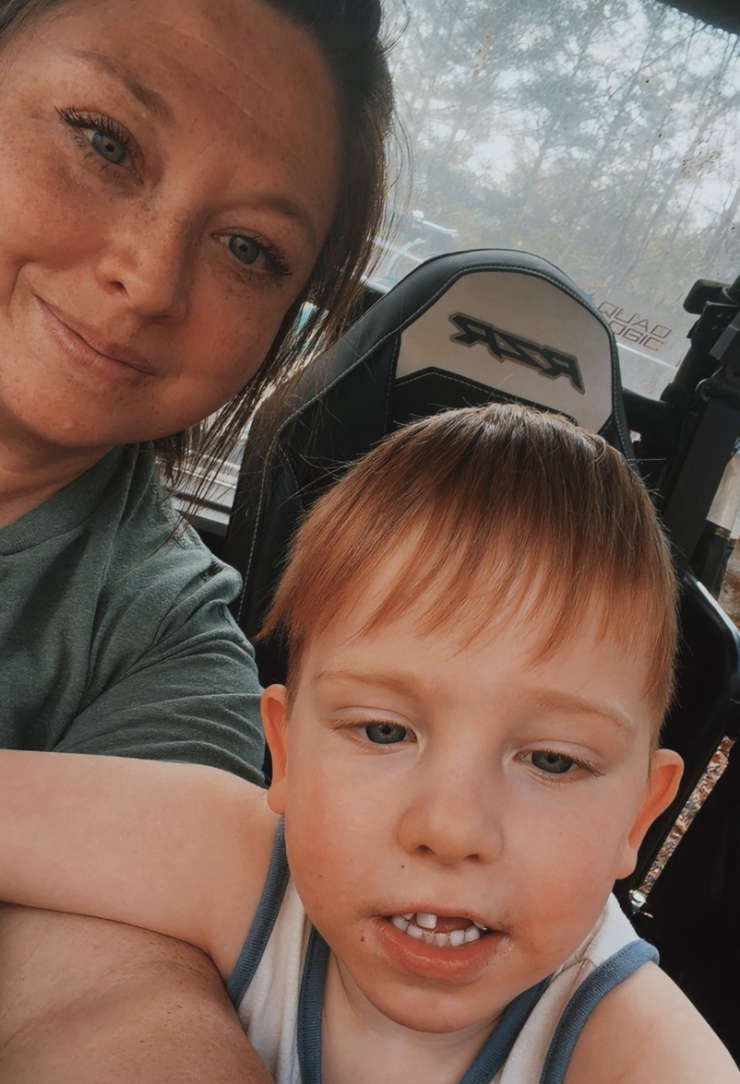
But the cost of the bed and Jett's training was beyond the family's reach, especially after losing Courtney's income.
For someone who had spent years helping others, asking for help herself wasn't easy.
"You kind of feel like all eyes are on you, that you should have had the answer," Courtney shared. "And asking for help is not an easy thing."
When Chive Charities approved funding for both Jett's service dog training and the Cubby Safety Bed, Courtney found herself rereading the approval email again and again. The total impact is $19,476.

"It was nice to know that for once somebody saw us and we didn't have to just sit and fight."
For years, Courtney was the person people called when they needed someone in their corner. This time, the Chive Charities community had the opportunity to be there for her family.
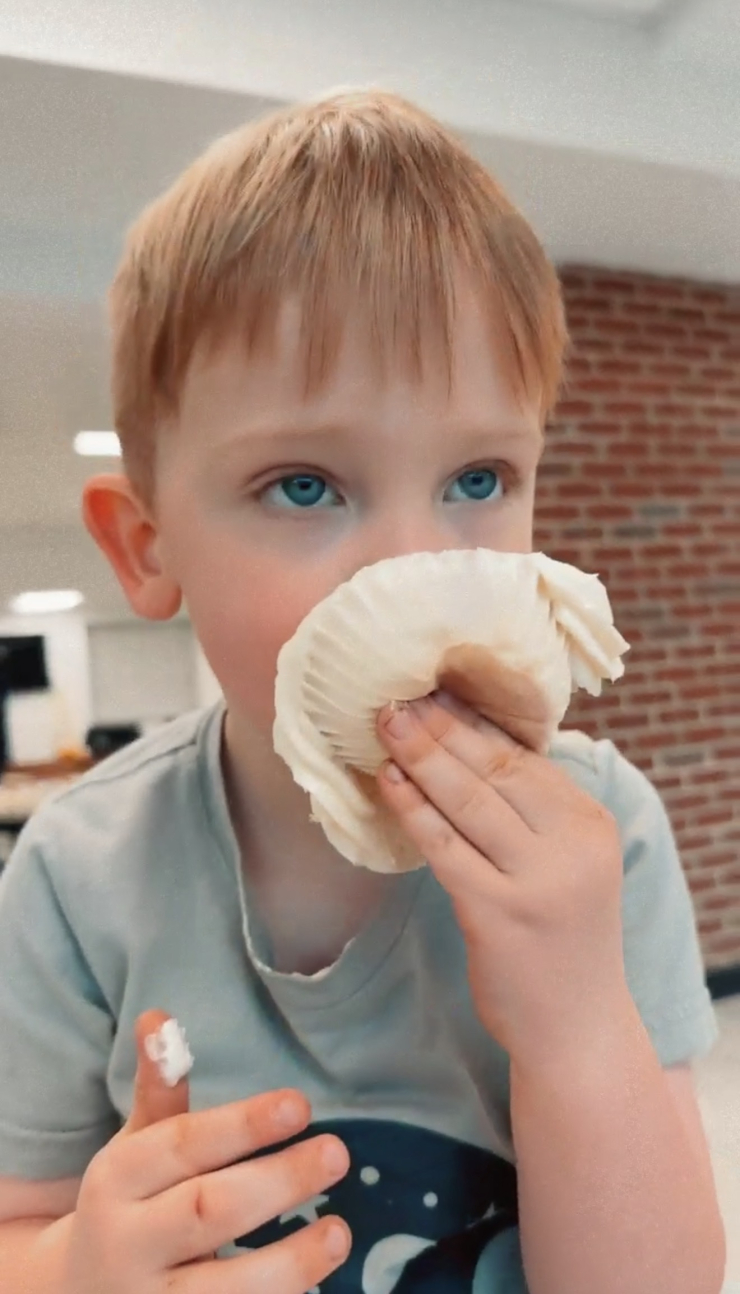
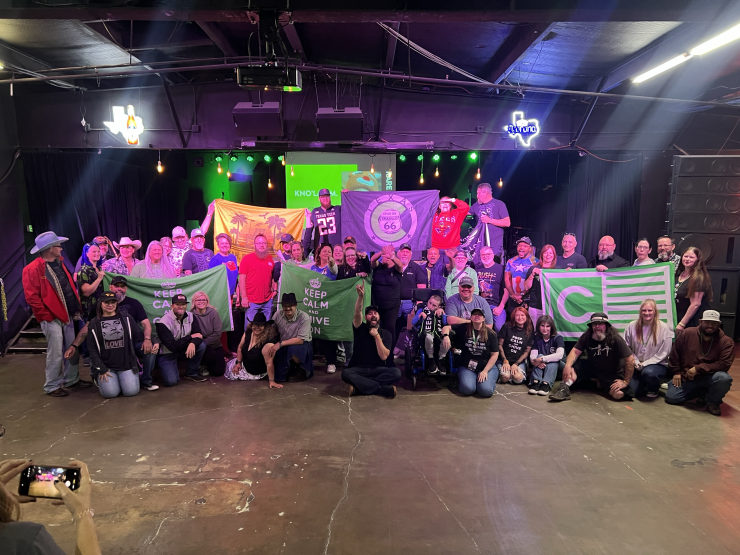
And that community continues to show up in a big way. Just last week, our friends at Chive On Amarillo hosted an event that raised an incredible $7,000 to support families just like Coen's. It's the kind of generosity that turns a good time into something even better: real, meaningful help for people who need it.
For Coen and Jett, there are plenty of adventures ahead. Their story is a reminder that sometimes the greatest gifts are the simplest ones: a safe place to rest, a friend to lean on, and the freedom to enjoy being a kid.
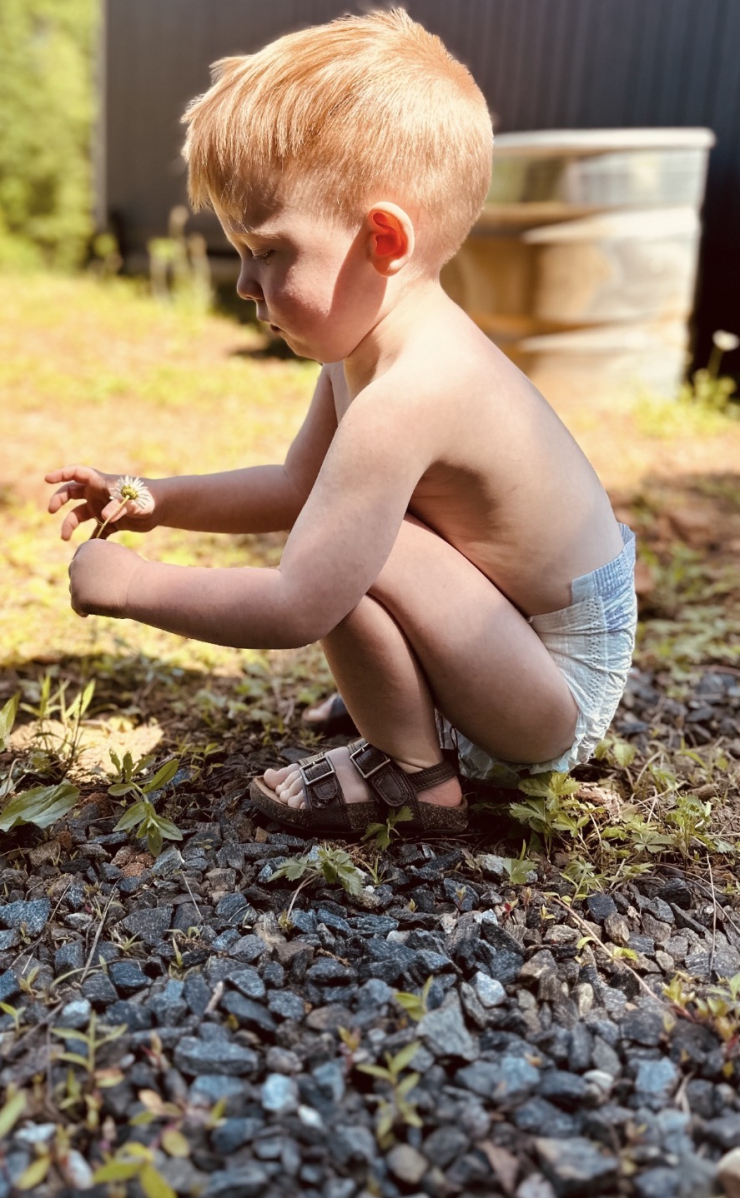
Every good boy deserves a best friend. And every family deserves someone in their corner.
To our friends at Chive On Amarillo, thank you for showing up. And to everyone who believes in the power of this community, help us keep the good going for more children like Coen and the first responder families who give so much of themselves to others. DONATE HERE.