

On Friday Night Lights, Coach Eric Taylor famously reminded his team: “Clear eyes, full hearts, can’t lose.” He wasn’t talking about Wrenleigh, of course. But he could have been.
From the outside, Wrenleigh looks like what she is: a bright, spunky little girl with big opinions, a soft spot for Barbie, and a very serious commitment to snack breaks.
But for her mom, Colleena, life with Wrenleigh has always been measured a little differently, and her story begins before Wrenleigh was even born.
At her first sonogram around eight weeks, everything looked normal. But by the time Colleena returned for another scan around 15 weeks, doctors couldn’t visualize the right lung, and they noticed Wrenleigh’s heart was positioned to the right side.
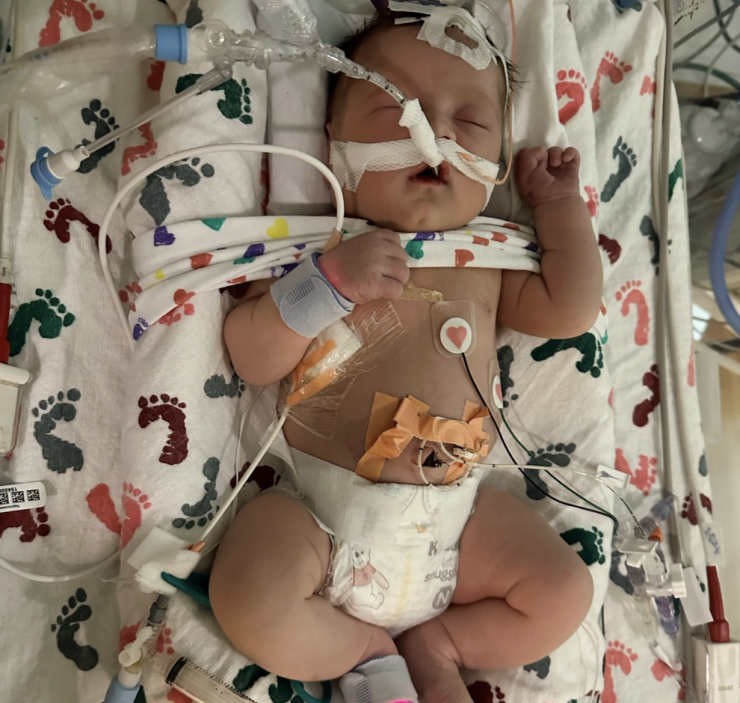
Soon, Colleena was driving two hours from Erie to Pittsburgh for specialized prenatal care, undergoing a fetal MRI and fetal echocardiogram to better understand what was happening.
They discovered lung tissue, but not a functioning right lung. Wrenleigh’s right pulmonary artery and her heart did not develop in a way that would allow that lung to work. She was diagnosed with a rare heart condition called Scimitar syndrome, where the heart is positioned to the right, there is a small or underdeveloped lung, and often pulmonary hypertension.
Colleena delivered Wrenleigh at 8:16 p.m. on January 26. She got to briefly see her baby’s face before Wrenleigh was taken straight to the NICU.
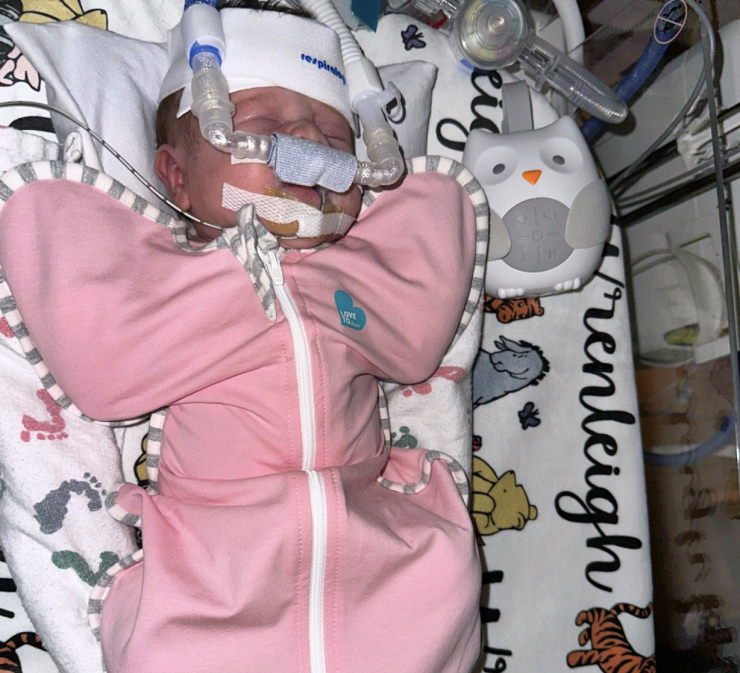
“It was eight hours before I was allowed to go down and see her,” Colleena shared.
Wrenleigh was transferred to Children’s Hospital of Pittsburgh where she spent the next 84 days. There were three terrifying moments when the team feared she might need ECMO, a last-resort life support machine used when a baby’s heart and lungs can no longer do the work on their own. But against overwhelming odds, Wrenleigh came home in April 2023.
And for a little while, it felt like they’d made it through the worst.
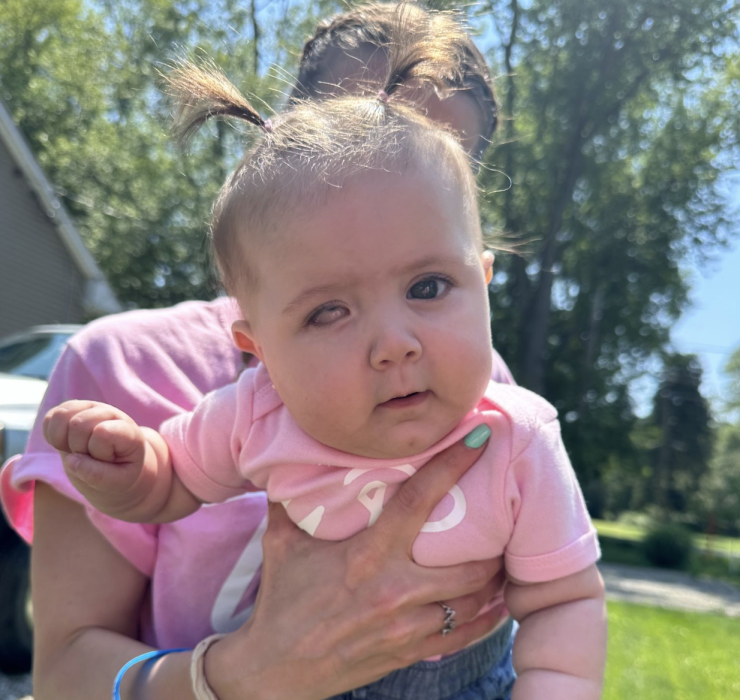
Wrenleigh came home on room air, and medically, the only major item she needed right away was a G-tube. Colleena is a nurse—she’s been one since 2016—and she coordinated with the pediatric company she works with, advocating to become her daughter’s paid caregiver.
Then the realities of medically fragile life set in.
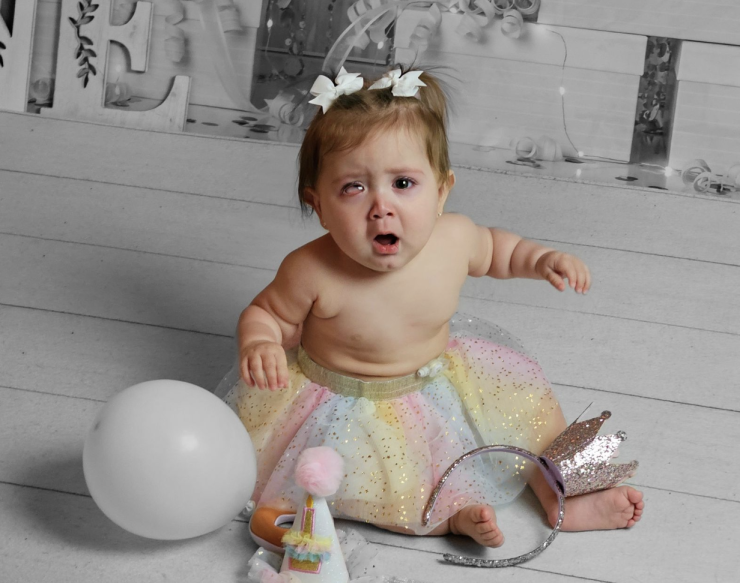
Wrenleigh made it about six months with no hospitalizations. After that, she was hospitalized about every two months until she turned two years old, often triggered by something as simple as a cold.
Because Erie providers aren’t always comfortable treating a child with Wrenleigh’s complexity and one functioning lung, their care often meant a two-hour drive back to Pittsburgh. Sometimes she traveled by ambulance or helicopter.

Colleena’s mom is the one person she fully trusts to watch Wrenleigh when needed. She also has limited nursing support, so she can work on her embroidery business. Even with help, the responsibility of care rests primarily with Colleena.
“It’s hard,” she said. “Very stressful. Very lonely. Very isolating.”

Over time, though, Wrenleigh has grown stronger. She now requires oxygen less frequently, usually when she is sick. Her last hospitalization was in January of this year, nearly a full year ago.
“She’s thriving,” Colleena said. “She’s so smart. She’s the happiest kid I’ve ever seen.”
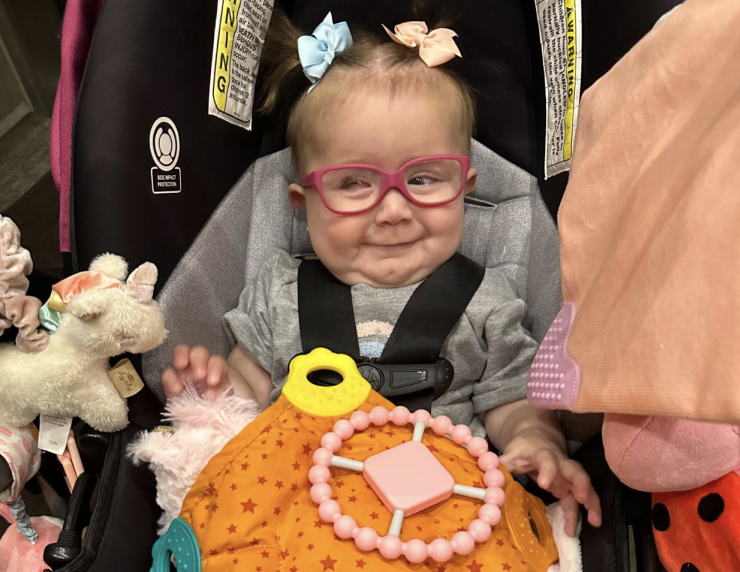
Wrenleigh loves tumbling, Barbies, babies, coloring, and pretend play. She grabs her mom’s keys, packs a bag, buckles into her Power Wheels car, and announces she is going “bye-bye.” Her biggest struggle is separation. Being away from Mommy is hard.
“We’re the dynamic duo,” Colleena said. “We’re very much trauma-bonded.”
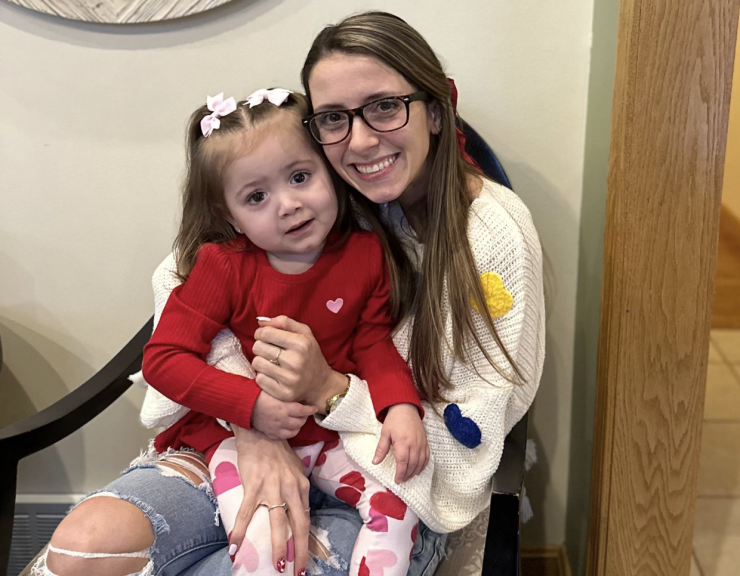
Their days blend ordinary toddler routines with constant care. Colleena disconnects overnight tube feeds in the morning, gives medications and feeds, and fills the day with play, errands, and rest. Every outing requires planning.
Life looks different when illness is always a possibility and when parenting includes clinical responsibility. “It doesn’t make me love my child any less,” she said. “I love her with every bone in my body.”
Colleena credits Grady’s Decision, a Pennsylvania nonprofit that supports NICU families, with helping carry them through the earliest days. The organization provided food cards, gas cards, and financial relief during a time when Colleena had no income, and Wrenleigh was fighting for her life. Today, Grady’s Decision feels like family, and Colleena gives back whenever she can.
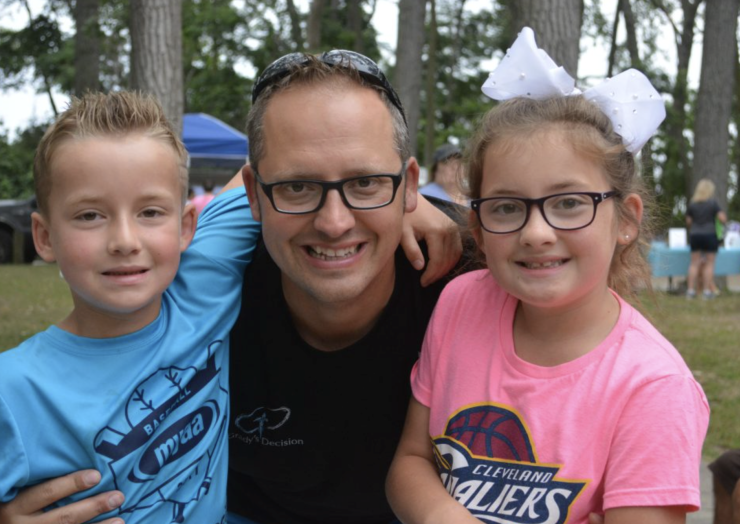
“This is the village,” she said. “I don’t know what I would do without the people who poured into our cup.”
Chive Charities is honored to be part of that village.

Because of your support, we were able to provide two critical items designed to protect Wrenleigh’s health and expand her daily life: a medical-grade air purifier and a portable oxygen concentrator for a total impact of $4,711.
Colleena and Wrenleigh live in a connected row house, where smoke and pet dander from neighboring homes can travel between spaces. For a child with one functioning lung, clean air is essential. The medical-grade air purifier helps keep the air cleaner throughout the main living areas where Wrenleigh spends most of her time.

Colleena also wanted us to share a resource that really helped her, a book called: Why Mine? For Parents Whose Child Is Seriously Ill.
“These tiny babies are warriors,” she said. “There is support. There are resources. And it gets more manageable.”
A doctor once told her, “There is no better parent for your daughter than you.” That stays with her.
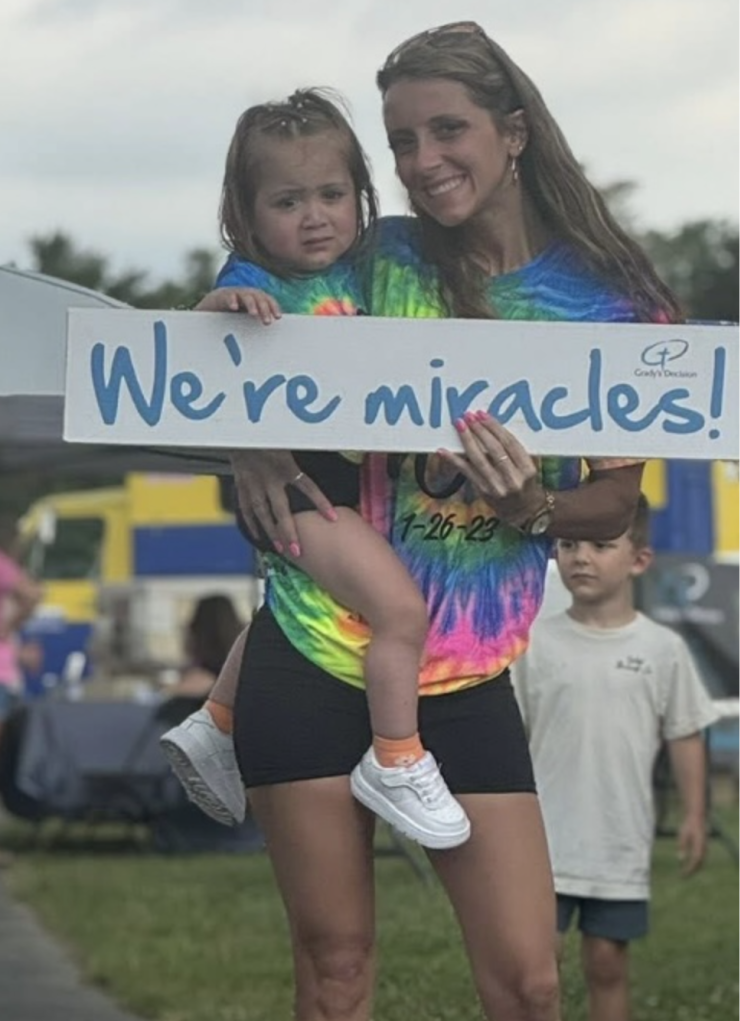
As Wrenleigh continues to grow stronger, breathing cleaner air at home and carrying a little more freedom with her, this dynamic duo moves forward together.
Families like Wrenleigh’s don’t stop fighting. And thanks to this community, they don’t have to do it alone. Clear eyes, full heart, can’t lose.

Whether you have one lung or two, what matters most is heart and zero quit. Donate today to help Chive Charities continue providing life-changing support to children and families who need it most. DONATE HERE.


 Silver, Gold and Green members receive the much-desired Green Ribbon T-Shirt. Give proudly. Wear proudly.